
Introduction
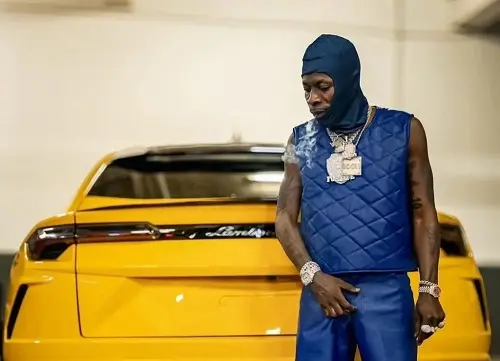
Shatta Wale, born Charles Nii Armah Mensah Jr., is a prominent figure in the Ghanaian music landscape, widely recognized for his unique contribution to the reggae and dancehall genres. His artistry has earned him a substantial following, making him one of the most influential musicians in the country. With chart-topping hits and dynamic performances, Shatta Wale has not only captivated audiences but has also left an indelible mark on the African music scene.
Recently, Shatta Wale has found himself at the center of a legal controversy, which has added an intriguing chapter to his already colorful career. Reports have emerged about his detention as part of a tax investigation related to the purchase of a luxury car. The circumstances surrounding this investigation are complex, intertwining issues of taxation and luxury assets within the context of Ghana’s regulatory framework. Such developments have attracted widespread media attention, further amplifying the discussions surrounding both Shatta Wale and the music industry.
This unfolding situation raises various questions about accountability, transparency, and the roles artists play in adherence to national laws. As Ghanaian celebrities often face scrutiny regarding their wealth and lifestyle, Shatta Wale’s current predicament illustrates the potential legal repercussions of leading a high-profile life. His experience serves as a reminder to other artists in the industry about the importance of compliance with fiscal regulations, especially as they relate to high-value purchases. As this story develops, it will be crucial to monitor how it impacts not only Shatta Wale’s career but also the broader implications for the Ghanaian entertainment sector.
The Seizure of the Lamborghini
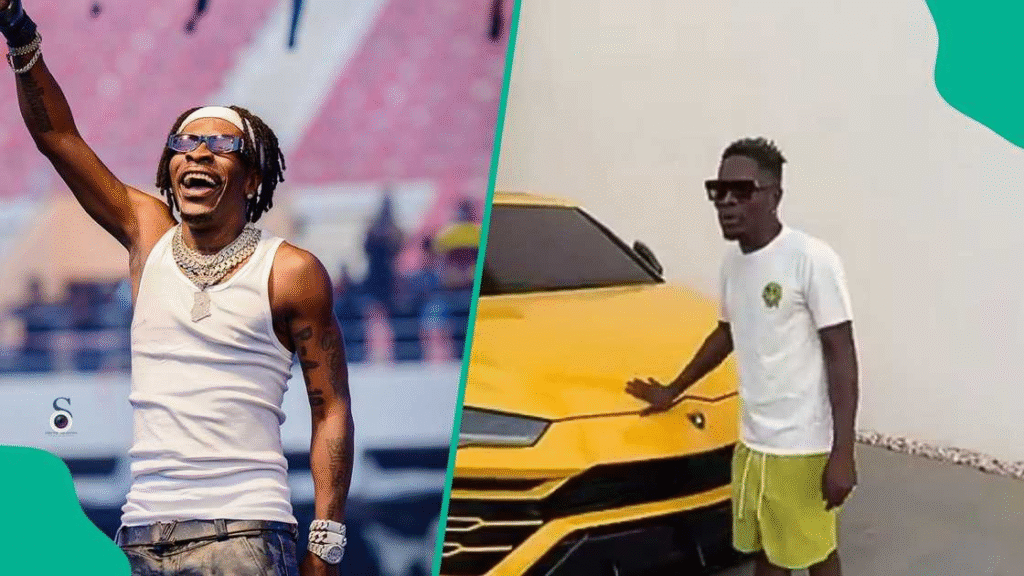
In recent events surrounding Ghanaian musician Shatta Wale, attention gravitated towards the controversial seizure of his luxury yellow Lamborghini. This high-profile incident reportedly stemmed from a request initiated by United States authorities, who alleged that the vehicle was linked to potential criminal activities. The Lamborghini, being an emblem of affluence and success, soon became a focal point of scrutiny, revealing underlying issues related to tax evasion concerns and unsettled financial obligations.
The luxury car, distinguished by its vibrant color and high market value, raised eyebrows when it was documented that the musician had made substantial purchases and investments with it, creating speculation about its financing. Investigators began to probe deeper into how Shatta Wale acquired the vehicle, prompting questions regarding the legitimacy of his reported income. This inquiry highlighted a broader issue within the realm of taxation and asset declaration among public figures in Ghana. As the investigation unfolded, it became apparent that authorities were not only focused on Shatta Wale’s Lamborghini but were also examining the ways in which luxury items could be misused or linked to illicit activities.
The alignment of these events with the ongoing discourse about property ownership and taxation in Ghana serves as a stark reminder of the importance of adhering to legal frameworks. The authorities aimed not only to address the specific case of the Lamborghini but to set a precedent for other high-profile individuals who might neglect their tax responsibilities. As the situation developed, it became evident that the seizure was not merely an isolated incident, but rather part of a much larger investigation into the intersection of wealth, culture, and legality. The outcome of this investigation remains to be seen, but it undoubtedly raises questions about accountability and transparency amongst celebrities and affluent individuals in the nation.
Who is Nana Kwabena Amuah?
Nana Kwabena Amuah is an individual who has recently garnered attention due to his alleged involvement in a significant fraud network that has implications for several well-known personalities, including the popular Ghanaian musician Shatta Wale. Amuah is described as a businessman with a penchant for luxury, often spotted alongside high-profile figures, which has raised eyebrows about his activities and associations. His background, encompassing both entrepreneurial ventures and dealings within less reputable circles, paints a complex picture of a man operating straddling the lines of legality.
Reports suggest that Nana Kwabena Amuah has been linked to various illegal activities that range from financial fraud to money laundering. Authorities are currently investigating his connections to a broader criminal enterprise that exploits loopholes in the tax system. Such operations often include the misuse of luxurious assets, which have been thrust into the limelight due to their links to prominent individuals like Shatta Wale. This connection suggests that luxury vehicles and lavish lifestyles could be part of a larger scheme aimed at obscuring illicit earnings.
The implications of Amuah’s criminal undertakings extend beyond his own legal challenges; they also raise serious questions about those associated with him. As law enforcement agencies delve deeper into the investigation, the link between Amuah’s activities and the financial dealings of celebrities like Shatta Wale may become clearer. Such revelations could have far-reaching effects on the public’s perception of the individuals connected to him, prompting discussions about accountability and the responsibilities of high-profile figures in managing their affiliations.
In this evolving narrative surrounding Nana Kwabena Amuah and his implications for Shatta Wale, it becomes evident that financial integrity and transparency are paramount to maintaining public trust, especially among influential personalities. The investigation continues, and the outcomes could influence both Amuah and the celebrities entangled in this scandal.
Shatta Wale’s Response
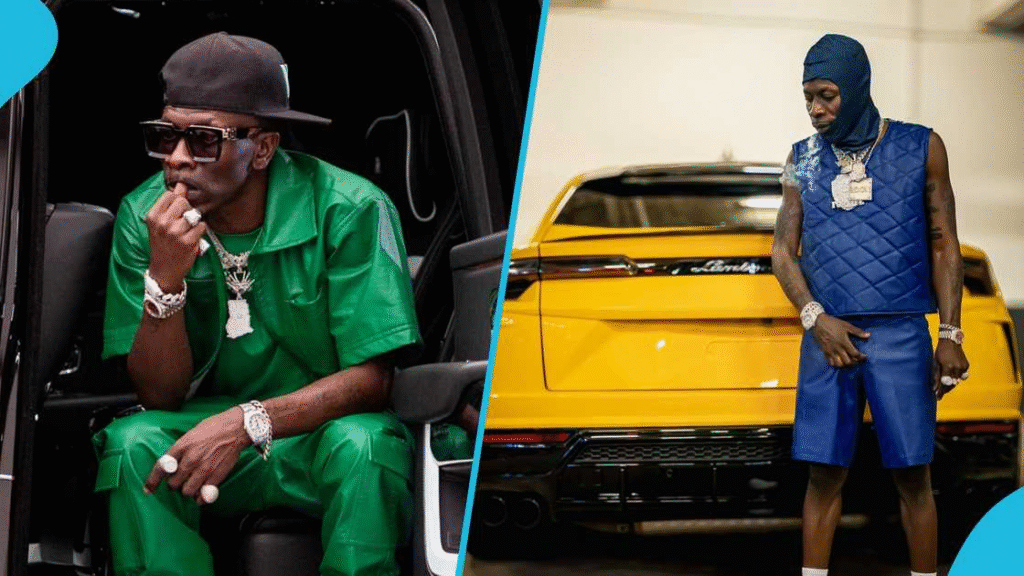
Following his detention, Shatta Wale, the acclaimed Ghanaian musician, was quick to address the media and his fans regarding the circumstances surrounding his luxury car and the subsequent tax investigation. His management team held a press conference where they highlighted the artist’s commitment to transparency and cooperation with the authorities. Shatta Wale emphasized that his presentation to the tax authorities was voluntary, reflecting his willingness to clarify any misunderstandings related to the vehicle in question.
In a series of public statements, Shatta Wale articulated his position as a ‘third-party owner’ of the luxury car, suggesting that he is not the direct owner but rather a stakeholder in its usage. This declaration has raised questions about the implications of such an arrangement, particularly in the context of tax responsibilities that may arise from leasing or sharing high-value assets. His team reiterated that Shatta Wale has always adhered to the legalities concerning his possessions, asserting that any taxes related to the vehicle should be the responsibility of the primary owner, not the artist himself.
Shatta Wale further mentioned the need for clarity in the laws governing luxury items and taxation in Ghana, pointing to a potential gap in public understanding regarding ownership and liability. By framing his involvement in the investigation in this manner, he aims to position himself as a compliant and law-abiding citizen while advocating for clearer regulations in the industry.
His management concluded by requesting that the public remain patient as they navigate this complex issue. They underscored Shatta Wale’s dedication to resolving the matter amicably and expressed confidence in the legal processes underway, ensuring fans that he remains focused on his music career despite this challenging situation.
Tax Obligations and Legal Concerns
The recent detainment of Shatta Wale has sparked significant discussions surrounding tax obligations and broader legal concerns, particularly in relation to high-profile individuals and their financial affairs. Tax investigations often arise when authorities suspect discrepancies in reported income or potential evasion of tax responsibilities. This scrutiny is crucial for promoting compliance and maintaining fairness within the financial system.
In the case of Shatta Wale, his luxury car collection has drawn particular attention, raising questions about the sources of his income and whether these assets were accurately reported to tax authorities. The high value of luxury vehicles often signifies substantial financial transactions, which places them under the radar of tax regulators. Investigations typically involve thorough examinations of records, asset valuations, and lifestyle expenditures to ascertain compliance with tax obligations.
Moreover, the intersection of celebrity status and tax compliance can bring to light deeper legal concerns. It is essential to assess whether Shatta Wale’s detainment is merely a result of tax-related inquiries or if it extends into more significant issues linked to potential criminal enterprises. The presence of luxury assets may sometimes raise red flags that draw law enforcement’s focus, prompting investigations beyond financial discrepancies to explore connections to illegal activities.
Criminal enterprises often engage in money laundering and other illicit financial practices that can complicate matters significantly. If authorities find evidence suggesting that the assets in question were obtained through unlawful means, it could lead to more severe legal consequences for Shatta Wale. Consequently, a thorough investigation into his tax obligations is not merely about financial accountability but may uncover a more extensive network of legal concerns.
Impact on Shatta Wale’s Career
The recent detention of Shatta Wale in relation to a luxury car and tax investigation has raised significant concerns regarding his career trajectory in the music industry. As a prominent figure in Ghana’s entertainment sphere, Shatta Wale has amassed a sizable following and has made notable strides through various collaborations with internationally recognized artists. Such partnerships have not only elevated his profile but have also contributed to the globalization of Ghanaian music, positioning him as a key player on the African music scene.
However, this incident could pose a serious threat to his established reputation. The luxury vehicle and tax issues may lead to public scrutiny and a potential decline in his fan base, particularly among those who prioritize integrity and compliance with legal standards. This negative attention could overshadow his previous accomplishments, influencing how music industry stakeholders perceive and engage with him moving forward. For an artist whose brand heavily relies on both public image and marketability, any legal complications can be detrimental to future endeavors.
Additionally, Shatta Wale’s collaborations with global artists might come under strain. Industry professionals and potential partners may reconsider their associations with him due to the implications of this investigation. The music business often relies on an artist’s image to advocate for sponsorships, partnerships, and international tours. Hence, a tarnished reputation may inhibit his ability to secure lucrative deals that contribute substantially to his revenue streams.
Despite these challenges, Shatta Wale has shown resilience in his career, often bouncing back from controversies. His adeptness in reinventing himself and maintaining relevance in the competitive music landscape may help mitigate the effects of this incident. How he navigates this situation in the coming months will dictate his trajectory and could determine whether he continues to thrive in an evolving industry.
Public Reaction and Support
The recent detention of Ghanaian dancehall artist Shatta Wale has sparked a significant outpouring of reactions from fans and members of the music community. While the details surrounding his arrest are still unfolding, supporters have taken to social media platforms to express their unwavering loyalty and concern for the artist. Many fans have utilized hashtags advocating for his release, showcasing a collective sentiment underscoring their admiration for Wale’s contributions to the music industry.
Shatta Wale’s influence in African music has fostered a robust fan base that spans various demographics. His followers often resonate with his artistic vision and personal journey, which has invariably led to a surge in public support during this distressing episode. Among notable industry figures, fellow musicians and producers have expressed their solidarity, emphasizing the importance of due process and cautioning against any premature judgment about the situation at hand.
Moreover, several fans have called for restraint in speculative commentary, urging others to await factual developments concerning Shatta Wale’s legal challenges. This level of advocacy is indicative of a fiercely loyal community that is deeply connected to the artist’s work and persona. By asking for a focus on the verified facts, supporters demonstrate a mature approach, recognizing the potential harm that misinformation can cause both to Wale’s reputation and to public perception of the ongoing investigation.
The dialogue among fans and artists continues to evolve, suggesting a broader awareness of the implications of celebrity culture and public scrutiny. As more information comes to light, it is expected that this dynamic will continue to instruct the nature of conversations surrounding Shatta Wale’s detention, ultimately defining how both the public and industry peers navigate their support. In these critical times, unity and open-mindedness appear to be at the forefront of the collective response to this incident.
Broader Context: Fraud Operations in Ghana
In recent years, Ghana has grappled with the pervasive issue of fraud operations that have tarnished its international reputation. Various forms of fraud, including cybercrime, credit card fraud, and advance-fee scams, have significantly impacted the country’s image, particularly among foreign investors. This situation has prompted government intervention and collaboration with international authorities, most notably the United States, to tackle these illicit activities more effectively.
The Ghanaian government has taken proactive measures to strengthen its legal frameworks and improve its law enforcement capabilities in response to the escalating concerns over fraud. This collaboration with US authorities aims to address not just local implications but also the international dimensions of these fraud operations. By sharing intelligence and resources, both governments strive to dismantle networks involved in fraud that cross borders, ensuring that offenders are brought to justice irrespective of their location.
The ramifications of fraud operations extend beyond immediate economic losses; they also jeopardize the country’s standing in the global market. As fraud undermines trust, potential investors may view Ghana as a high-risk environment, reducing foreign direct investment critical for growth and development. Recognizing the gravity of this issue, Ghana’s government has ramped up efforts to combat fraud, focusing on public education campaigns designed to raise awareness and foster a culture of accountability among citizens and businesses alike.
This initiative signifies a commitment not just to curtail fraud but to restore confidence in the nation’s economic landscape. The ongoing efforts reflect an understanding that credibility is crucial for Ghana’s aspirations to become a leading destination for business and investment in West Africa. As international collaboration continues, the hope is that Ghana will not only mitigate fraud but also enhance its overall economic stability, paving the way for future prosperity.
What Lies Ahead for Shatta Wale
The recent detention of Shatta Wale has raised numerous questions about the implications of the ongoing tax investigation surrounding his luxury car collection. As the investigation unfolds, it is crucial to consider the potential legal outcomes that may result from this situation. Authorities are meticulously examining whether Shatta Wale has complied with tax regulations related to his high-value vehicles, which could lead to serious repercussions if violations are confirmed. This scrutiny may ultimately affect not only his financial status but also his professional reputation within the entertainment industry.
In the realm of public perception, Shatta Wale has always generated a considerable amount of attention, both positive and negative. How he navigates the current crisis could significantly impact his relationship with fans and followers. Should he provide transparent communication regarding the investigation, it might help him maintain a semblance of trust and support from his audience. Conversely, any perceived evasiveness or dishonesty may lead to a decline in his public image, further complicating matters as his fan base evaluates their support.
Moreover, the ramifications of this investigation might extend beyond legal entanglements. Shatta Wale’s future engagements, including performances or collaborations, could be affected as stakeholders and promoters weigh the risks associated with working with an artist under investigation. Should the legal outcomes of his case turn unfavorable, it may deter potential partnerships and endorsements that are vital to his career’s sustainability.
In conclusion, the road ahead for Shatta Wale remains uncertain, defined by the outcomes of the ongoing investigation and the evolving dynamics of public perception. The intersection of legal challenges and audience reception will undoubtedly shape his trajectory in the coming months, and the music industry will be closely watching how he responds to these unfolding events.