
Match Overview
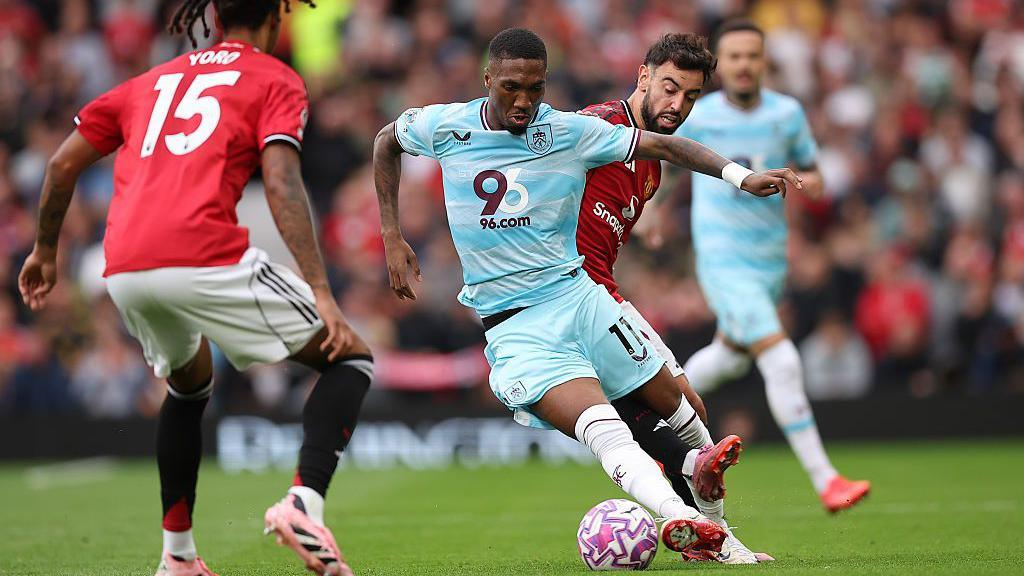
The recent encounter between Manchester United and Burnley was a thrilling display of football that kept fans on the edge of their seats until the very last whistle. The match, held at Old Trafford, saw both teams exhibiting determination, tactical awareness, and the desire to secure vital points in the league standings. As the game unfolded, it became evident that this contest was not just another fixture; it had significant implications for both clubs.
From the outset, Manchester United demonstrated their attacking prowess, with several attempts on goal in the first half. Their aggressive play paid off as they opened the scoring early in the match, putting pressure on Burnley to respond. The visitors, however, showcased resilience and relentless spirit, managing to equalize just before halftime, marking a crucial turning point in the game.
The second half saw an intensification of the gameplay, with both sides competing fiercely for possession. Manchester United pressed forward, exhibiting their tactical depth, while Burnley aimed to counterattack and exploit any defensive vulnerabilities. The back-and-forth exchanges kept the scoreline level as time dwindled, and a sense of urgency enveloped the arena. Key players from both teams made significant contributions, creating a source of excitement for the spectators.
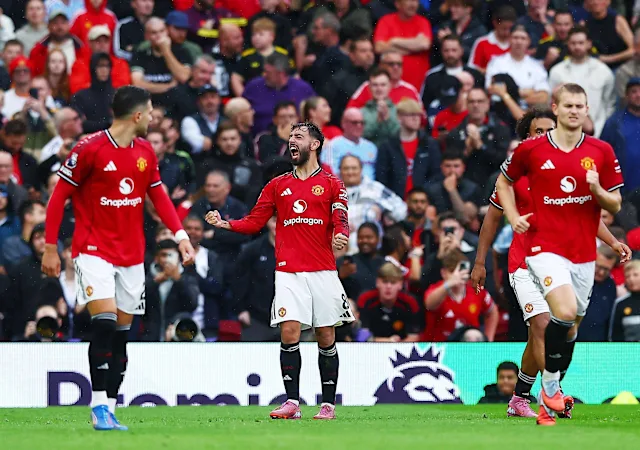
As the match entered its final moments, the tension reached its peak. A controversial incident in the closing minutes resulted in a penalty awarded to Manchester United. This moment set the stage for Bruno Fernandes to step up and take the decisive kick. The culmination of the match saw Fernandes convert the penalty, sealing a dramatic victory for his team. The final score reflected the hard-fought nature of the contest, leaving both teams to reflect on their performances as the season progresses.
Bruno Fernandes: The Pressure of Captaincy
Bruno Fernandes has established himself as a crucial player for Manchester United, particularly since assuming the role of captain. The responsibilities that accompany the captaincy are immense, demanding not only skill and determination but also the ability to handle pressure in critical situations. One of the most significant challenges he faces is the expectation placed upon him when it comes to taking penalties, a moment that can often define a match’s outcome.
Fernandes’ recent performance against Fulham serves as a prime example of the pressures associated with his position. Having missed a crucial penalty in that match, he found himself under scrutiny, with critics questioning his mental fortitude. However, this experience seemed to fortify his resolve. When the opportunity arose again, Fernandes displayed remarkable composure, taking a decisive penalty against Burnley to secure victory for his team. This pivotal moment underscored his ability to rebound from adversity and exemplified the qualities necessary to lead a team under pressure.
The role of a captain extends beyond technical skills; it involves being a source of inspiration for teammates. Fernandes recognizes the weight of his leadership and strives to cultivate an atmosphere of resilience. The scrutiny he faces as a captain places immense pressure on him, yet he continues to demonstrate his capability to perform when his team needs him most. His commitment to remaining composed not only reassures his fellow players but also energizes the entire squad, enhancing their collective performance. The ability to thrive under pressure is a hallmark of great leaders, and Fernandes is beginning to cement this reputation within Manchester United.
Controversial Moments and VAR Intervention
The recent match between Manchester United and Burnley witnessed critical moments that sparked heated debate among fans and analysts alike. Central to the controversy was the penalty awarded to Manchester United, a decision that many found contentious. At the heart of this discussion was the involvement of Jaidon Anthony, whose actions ignited the officials’ scrutiny and effectively became the catalyst for the penalty claim.
Initially, the referee appeared to be uncertain regarding the events that transpired on the pitch. This hesitation was amplified when Anthony was seen challenging for the ball, leading to a collision with a Manchester United player. Despite the potential for a foul, the referee originally ruled that play should continue, instigating a wave of protests from the United players. The situation quickly escalated, prompting the referee to consult the Video Assistant Referee (VAR) for a more comprehensive review of the incident.
This reliance on VAR has undeniably transformed the landscape of football officiating. The review process allowed the referee to re-evaluate the initial decision under a broader lens provided by video technology. After careful consideration, the VAR team advised a reassessment of the play, ultimately leading to a reversal of the original call. The referee’s decision to award the penalty was thus rooted in both the on-field review and the input received from the VAR team.
Such controversial moments exemplify the dual-edged nature of VAR in football. On one hand, it aims to ensure accuracy in decision-making by correcting potential errors; however, it simultaneously invites criticism regarding its influence on the flow of the game and the subjective interpretation of incidents. As the role of technology in football continues to evolve, its impact on pivotal moments during matches remains under scrutiny.
Manchester United’s Goalkeeping Challenges
The goalkeeping position at Manchester United has recently been a subject of scrutiny, particularly in light of the performances from Altay Bayindir. During the match against Burnley, Bayindir’s errors were not only consequential but also indicative of ongoing struggles within the goalkeeping department. Such mistakes often lead to critical moments that directly influence the outcome of matches, as seen when a misjudged clearance resulted in a goal for Burnley, creating unnecessary pressure in an already intense environment.
This trend of inconsistency is not isolated to the recent encounter. Previous games have showcased similar lapses in concentration, where Bayindir has faltered under the spotlight. In several instances, his positioning has been questioned, and his decision-making in critical moments has appeared hesitant. This lack of reliability can undermine the confidence of the entire team, as defenders often feel compelled to overcompensate, which can disrupt the team’s overall performance. The psychological pressure on a goalkeeper performing for a club of Manchester United’s stature cannot be understated. Each error is magnified by the expectations of fans, the media, and the legacy of the club.
In light of these challenges, it may be essential for the coaching staff to consider potential changes within the goalkeeping ranks. Whether it involves bringing in a more experienced goalkeeper or providing Bayindir with additional training to enhance his decision-making skills, proactive measures will be crucial if Manchester United aims to tighten its defense. Building a solid foundation in goalkeeping can ultimately lead to improved performances across the board, offering stability that is currently lacking. As Manchester United progresses through the season, addressing these goalkeeping challenges will be vital for regaining competitiveness and achieving desired results.
Injury Woes: Effects on Squad Depth
In recent weeks, Manchester United has encountered a series of injury challenges that have raised concerns regarding the team’s overall squad depth. Among the notable injuries, Matheus Cunha’s situation has emerged as a significant point of discussion. His absence from the lineup not only impacts United’s attacking options but also highlights the broader issue of maintaining an effective squad capable of competing in multiple competitions. Injuries can disrupt the rhythm of a team, forcing managers into difficult decisions regarding player rotations and formations.
Squad depth is paramount in high-stakes matches, particularly against formidable opponents like Manchester City and Chelsea. These clubs are laden with talent and possess the ability to capitalize on any weaknesses in an opponent’s lineup. With key players sidelined, Manchester United’s options may become limited, impacting their tactical flexibility. When players like Cunha are out, the burden often falls on the remaining squad members, who must rise to the occasion. However, this can lead to fatigue and diminished performance levels, especially as the season progresses and fixture congestion increases.
The ability to rotate players effectively is crucial for maintaining fitness levels, particularly in a competitive league where the margins for error are minimal. Suboptimal squad rotation can lead to over-reliance on a select few players, thus increasing the risk of further injuries. As Manchester United looks to navigate these challenges, the impact of injury woes on squad depth will only become more pronounced. The management must devise strategies not only to cope with the immediate impact of injuries but also to ensure sufficient depth remains for sustained success throughout the season.
Bryan Mbeumo’s Impact on the Game
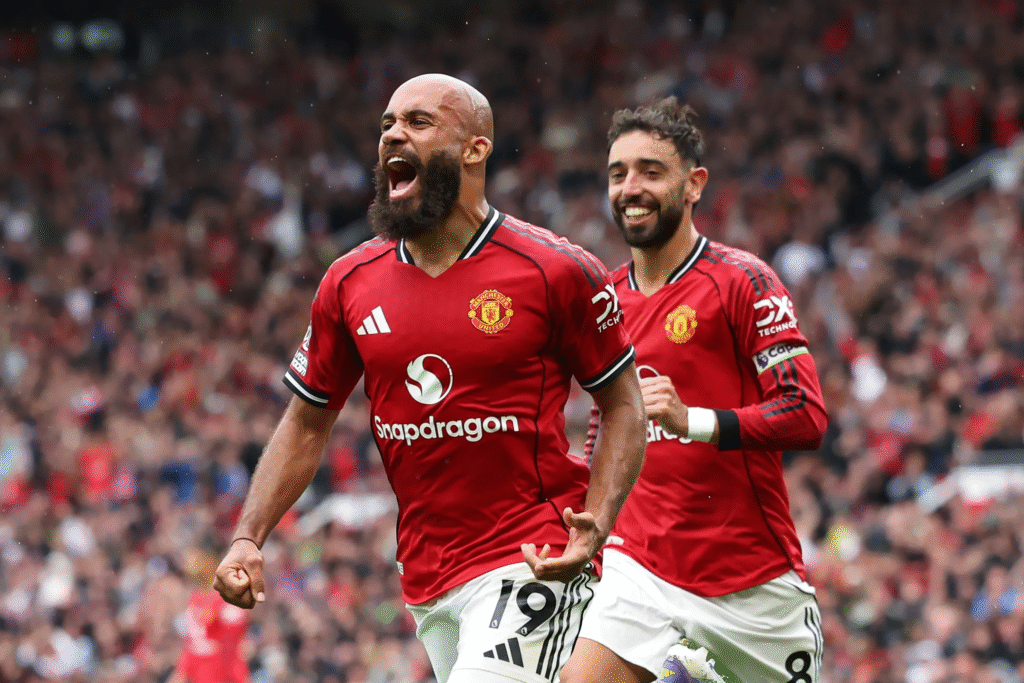
Bryan Mbeumo has emerged as a significant player for his team, especially following his recent transfer from Brentford. His performance in the match against Manchester United showcased his ability to create opportunities and influence the game significantly. Mbeumo’s skill set, which includes exceptional speed and agility, allows him to navigate through defensive setups effectively, making him a crucial asset for his new squad. In the match leading up to his goal, Mbeumo demonstrated remarkable tenacity, applying pressure on the opponents and creating space for his teammates.
One of the most notable aspects of Mbeumo’s contribution was his ability to link up play and transition swiftly from defense to offense. His movement off the ball and awareness of his surroundings allowed him to exploit gaps in Manchester United’s defense. This tactical intelligence not only set the stage for his own scoring opportunity but also opened channels for other players to capitalize on the rhythmic flow of the game. His goal was a testament to his commitment and effectiveness as he became the first player from his squad to score in the Premier League, marking a historic moment for both him and the team.
Since joining the new club, Mbeumo has shown great adaptability to the Premier League’s pace and intensity. Observers have noted his seamless transition from the previous tier of English football, which is often characterized by physicality and tactical nuances. His proactive approach on the pitch reflects his determination to make a meaningful impact. This adaptation is vital, as Mbeumo’s progress not only serves his personal career ambitions but also enhances the team’s overall dynamics. Given his current form, further developments can be expected in the upcoming matches as he continues to solidify his role within the squad.
Burnley’s Performance and Future Prospects
In the recent encounter against Manchester United, Burnley’s performance showcased both resilience and tactical adjustments orchestrated by manager Scott Parker. The team entered the match with a clear plan, aiming to fortify their defense against a formidable Manchester United side. The initial setup indicated an intention to absorb pressure and capitalize on counter-attacking opportunities.
Throughout the match, Burnley displayed commendable tenacity, particularly in the midfield where players like Josh Brownhill made significant contributions. His ability to disrupt United’s rhythm was evident, as he frequently intercepted passes and initiated quick breaks. Despite their efforts, Burnley found it increasingly challenging to maintain possession against a United team adept at pressing high and recovering quickly. This tactical battle revealed the gulf in quality and depth between the two sides, with Burnley often resorting to hopeful long balls rather than sustained attacking phases.
One notable standout for Burnley was their goalkeeper, who made several crucial saves that prevented the scoreline from widening. His performance demonstrated the importance of individual brilliance in crucial moments, especially against elite opposition. However, the overall lack of fluidity in their attacking play left much to be desired, and it became apparent that Burnley needs to develop a clearer attacking strategy if they are to secure their position in the league.
The loss against Manchester United raises critical questions regarding Burnley’s future prospects in the league. While the resilience displayed is commendable, consistent execution of tactical plans will be vital for the season ahead. Moving forward, the management must focus on refining their approach, ensuring that players not only adapt to the demands of the top tier but also develop an understanding that translates into tangible results on the pitch.
Post-Match Reactions and Media Coverage
The conclusion of the intense match between Manchester United and Burnley elicited diverse reactions from players, coaches, and media pundits alike. Manchester United’s star player, Bruno Fernandes, who secured the victory with his last-minute penalty, expressed elation at the team’s resilience. He noted the importance of continuing to fight until the final whistle, stating, “In a game like this, we always believe until the end. The penalty was about having the confidence to take it.” This sentiment resonates strongly with the ethos of the squad, emphasizing perseverance.
On the opposing side, Burnley’s manager voiced profound disappointment regarding the penalty awarded in the dying moments of the match. He argued that it was a contentious call that should have been reconsidered, asserting that the refereeing decisions have significant impacts on the game’s outcomes. He remarked, “We fought hard and deserved at least a point; decisions like these can feel quite harsh.” This perspective highlights the emotional toll such high-stakes scenarios can have on both teams, indicating that the penalty incident will likely be a topic of debate in subsequent discussions.
Media coverage of the match was similarly focused on the penalty incident, with pundits analyzing the implications for both teams moving forward. Many agree that Manchester United’s victory continues to bolster their campaign for a top-four finish, while Burnley will need to reassess their defensive strategies to mitigate such late-game pressures in the future. Columnists across various publications underscored that while Fernandes’ moment of glory is commendable, the match also exposed vulnerabilities in both defenses. As analysis continues to surface, the performance of each player is being scrutinized, with calls for improvement dominating early headlines. The contrasting emotions displayed in post-match interviews reflect the fervor that the Premier League continues to ignite among fans and stakeholders alike.
Looking Ahead: Upcoming Fixtures
As the Premier League season progresses, Manchester United faces critical fixtures that could shape their ranking and potential for silverware. Key matches against Manchester City and Chelsea present both challenges and opportunities to secure crucial points. These upcoming encounters will not only test the team’s tactical prowess but also their resilience under pressure.
The first notable clash is against Manchester City, a perennial rival. This local derby is steeped in history and rivalry, making it an exhilarating match for both teams and fans alike. Manchester United will need to employ a strategy that emphasizes tight defense and quick counter-attacks to exploit any weaknesses in City’s formidable lineup. The ability to maintain possession and minimize mistakes will be pivotal in tilting the match in United’s favor.
Following the Manchester City fixture, United will take on Chelsea, another significant opponent. Chelsea has undergone changes in management and squad dynamics, making them an unpredictable force. United must assess Chelsea’s recent performances and adapt their approach accordingly. This match will likely require a blend of creativity and discipline, ensuring they capitalize on scoring opportunities while remaining solid at the back. Furthermore, with the race for European qualification heating up, securing points in these fixtures could be the difference-maker for Manchester United’s aspirations this season.
Both matches will have implications not just for the Premier League table but also for the team’s morale and long-term objectives. Success against these rivals can bolster confidence among players and fans alike, reinforcing their ambitions in the league and beyond. Manchester United’s ability to navigate these challenging contests will significantly influence their trajectory throughout the season.
Key Takeaways from the Match
The recent fixture between Manchester United and Burnley ended in a dramatic fashion, exemplifying the unpredictable nature of football. The most prominent takeaway from this match is the resilience displayed by Manchester United, with Bruno Fernandes securing a decisive goal in the dying moments. This last-minute effort not only reflects the team’s fighting spirit but also highlights their ability to capitalize on critical opportunities. Fernandes, in particular, demonstrated exceptional composure under pressure, making him a standout performer throughout the encounter.
Another important lesson from this match is the significance of tactical flexibility. Manchester United’s management successfully adapted their strategy as the game progressed, showcasing their ability to make key adjustments based on the unfolding dynamics. In contrast, Burnley’s defensive setup, while commendable at intervals, lacked the necessary depth to withstand United’s pressing towards the match’s conclusion. This aspect could serve as a point of reflection for Burnley as they seek to fortify their defensive resilience in future games.
The implications of this match stretch beyond the result itself, particularly for Manchester United. The victory boosts their morale, reinforcing their position within the league and instilling confidence as they advance through the season. For Burnley, the defeat emphasizes the pressing need for improvement, particularly in high-stakes situations where game management is critical. As both teams move forward, these takeaways will be pivotal in shaping their respective strategies and performances in forthcoming fixtures, paving the way for possible alignments and recalibrations in their season trajectories.