
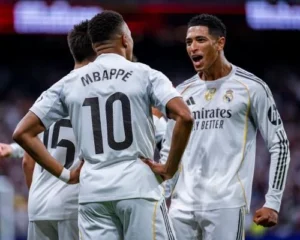
El Clásico refers to the fiercely contested football match between two of Spain’s most storied and successful clubs: Real Madrid and FC Barcelona. This rivalry transcends sports, embodying historical, cultural, and political nuances that resonate deeply within Spanish society and beyond. The origins of this rivalry can be traced back to the early 20th century, with the first official encounter taking place in 1902, paving the way for over a century of intense matchups that have captivated fans worldwide.
At the core of this legendary rivalry lies the representation of two distinct identities. Real Madrid, often associated with royalty and a certain aristocratic aura, reflects the centralist ideals of Spain. Conversely, FC Barcelona is viewed as a symbol of Catalan pride and identity, representing a long-standing regional assertion against Madrid’s dominance. This intertwining of football and cultural significance has transformed El Clásico into more than just a sporting event; it is a manifestation of ongoing historical tensions and societal issues.
The intrigue surrounding El Clásico continues to grow, with each match offering a new narrative to explore—be it player performances, managerial tactics, or the ever-important outcome that may influence league standings. With such a rich historical backdrop, it is clear why this clash garners widespread attention and passion, making it a quintessential element of the footballing world.
Match Preview: Tactics and Line-ups
The highly anticipated El Clásico matchup between Real Madrid and Barcelona not only captivates fans but also showcases distinct tactical philosophies employed by both teams. In this fierce rivalry, the managers must deploy strategies that both reflect their individual team’s strengths and mitigate their opponent’s key attributes. For Real Madrid, manager Carlo Ancelotti is likely to field a formation centered around a solid midfield and quick counterattacking capabilities, utilizing the speed of players like Vinícius Júnior and the creativity of Luka Modrić. This tactical setup has proved effective, especially in big matches where transitional play can exploit gaps left by opponents committed to offense.
Conversely, Barcelona’s Xavi Hernández is expected to deploy a possession-based system, focusing on ball control and meticulous buildup play. Utilizing a 4-3-3 formation, Xavi emphasizes width through players such as Ferran Torres and the dynamic presence of Pedri in midfield. The objective will be to control the tempo of the match, consequently limiting Real Madrid’s counterattacking opportunities. An crucial aspect of Barcelona’s strategy is pressing, which is designed to regain possession quickly and disrupt Real Madrid’s rhythm.
In terms of key players, every El Clásico sees individuals step up to define the encounter. For Real Madrid, the mastery of Karim Benzema in front of goal is invaluable, while defenders like Éder Militão must be at their best to thwart Barcelona’s attacking threats. On the other hand, Barcelona’s success could heavily rely on Robert Lewandowski’s finishing prowess and Pedri’s vision in midfield, who both possess the ability to change the course of the match. Each corresponding line-up reflects the current form and historical performance of both clubs, revealing insights into how they may clash on the field. The intricate game of tactics and individual brilliance promises an exhilarating contest for football devotees around the world.
First Half Analysis
The first half of the El Clásico showdown between Real Madrid and Barcelona set the stage for a captivating match, characterized by intense rivalry and high stakes. The initial moments revealed a cautious approach from both teams, as they jostled for control in the midfield. However, it did not take long for the tempo to escalate, with Real Madrid taking the initiative and applying pressure on Barcelona’s defense.
Real Madrid’s midfielders showcased their prowess, orchestrating play and creating opportunities. Luka Modric, with his exceptional vision, frequently connected with forwards, while Federico Valverde’s dynamic runs added an extra dimension to the attack. On the opposite end, Barcelona’s midfield struggled to maintain possession, often outnumbered in key areas. This advantage allowed Madrid to capitalize on defensive lapses, signaling potential vulnerabilities in Barcelona’s formation.
The first significant moment of the half came in the 23rd minute when Real Madrid’s Vinícius Júnior executed a brilliant solo run, culminating in a well-placed shot that rattled the crossbar. The near-miss ignited a wave of momentum for Madrid, who began to dominate ball possession. Barcelona, however, displayed resilience despite mounting pressure and nearly equalized with a groundbreaking chance from Robert Lewandowski, whose shot was expertly denied by Thibaut Courtois.
As the clock ticked towards the halftime break, tensions rose, with both teams vying to secure the crucial first goal. Notable players such as Toni Kroos and Ansu Fati emerged as pivotal figures, with their movements providing options in both offensive and defensive phases. Overall, the first half of the match reflected a combination of strategic play and thrilling opportunities, foreshadowing an exhilarating second half ahead. While Real Madrid held a tactical advantage, the tightly contested nature of El Clásico guaranteed that anything could happen in the next 45 minutes.
Key Moments that Led to Goals
The highly anticipated clash between Real Madrid and Barcelona during the El Clásico showcased moments of magic and tactical brilliance, ultimately leading to a thrilling 2:1 victory for the home side, Real Madrid. Analyzing the key moments that resulted in the goals provides insight into the dynamics of this historic rivalry.
The first goal for Real Madrid came in the 30th minute, initiated by a swift counter-attack. Luka Modrić displayed exceptional vision as he picked up the ball in midfield. His intelligent through ball found Vinícius Júnior, who outpaced the Barcelona defenders. Displaying composure under pressure, Vinícius executed a well-placed finish past the goalkeeper, marking a strong opening for Real Madrid. This goal was not only a testament to the individual brilliance of Vinícius but also highlighted Real Madrid’s strategic approach to capitalizing on transitional play.
<pbarcelona 55th=”” a=”” and=”” as=”” back=”” ball=”” barcelona’s=”” beautifully=”” began=”” bottom=”” box.=”” breathing=”” catalans=”” corner,=”” deftly=”” delicate=”” demonstrating=”” dominating=”” equalize.=”” found=”” from=”” hopes.<pthe 75th=”” a=”” ability=”” aerial=”” also=”” an=”” arrived=”” ball=”” barcelona=”” barcelona.=”” benzema’s=”” benzema,=”” benzema.=”” but=”” capitalizing=”” corner=”” critical=”” decisive=”” defense=”” defensive=”” disarray=”” encounter.
Second Half Dynamics
The second half of the El Clásico showdown between Real Madrid and Barcelona was pivotal in determining the match’s outcome, showcasing a significant shift in tactics and intensity from both teams. Barcelona emerged from the break aiming to exploit opportunities for an equalizing goal. Their strategy involved increased possession of the ball and wave after wave of attacking maneuvers, effectively putting pressure on Madrid’s defensive line. This urgency was also reflected in the substitutions made by Barcelona’s coach, who sought to inject fresh legs and creativity onto the field.
As fatigue began to set in among players, Real Madrid adjusted their strategy by opting for a more defensive approach, seeking to protect their narrow lead. The fatigue was particularly evident as players like Sergio Ramos and Luka Modrić displayed visible signs of exhaustion; hence, Madrid’s coach introduced tactical substitutions that prioritized defensive solidity over offensive ambition. This shift was crucial in maintaining their advantage against a relentless Barcelona side.
The dynamic nature of the match intensified as Barcelona pushed forward, leading to several goal-scoring opportunities. However, Madrid’s resilience and tactical discipline allowed them to absorb the pressure and capitalize on limited counter-attack chances. As the minutes ticked down, Barcelona’s desperation became apparent, with more players committing to forward positions at the expense of defensive security. This risk, while necessary for their pursuit of an equalizer, opened up spaces for Real Madrid to exploit on the break.
In the latter stages, the energy on the pitch was palpable, with both teams displaying a determination defined by the historic significance of the El Clásico rivalry. The match’s climax was characterized by a series of intense exchanges, ultimately culminating in a decisive victory for Real Madrid. The second half not only highlighted tactical adaptations but also underscored the physical and mental endurance of the players involved.
Player Performances: Stars of the Match
In the thrilling encounter of El Clásico, Real Madrid’s 2:1 victory over Barcelona showcased several standout performances that significantly influenced the outcome of the match. One such player, Karim Benzema, continued to demonstrate why he is regarded as one of football’s elite strikers. He not only scored the opening goal but also provided a constant threat to the Barcelona defense. Benzema’s movement off the ball was exceptional, allowing him to exploit gaps and create opportunities for his teammates. His final statistical contribution included one goal, three shots on target, and a passing accuracy of 84%.
On the other side, Barcelona’s Pedri delivered a commendable performance that highlighted his skill and vision on the pitch. The young midfielder was pivotal in orchestrating Barcelona’s attacking plays. His ability to maintain possession under pressure allowed his team to transition from defense to offense effectively. Pedri completed 88% of his passes and registered key assists that could have changed the match’s dynamics. Despite Barcelona’s loss, his individual display was noteworthy, proving that he is a talent to watch in future fixtures.
Real Madrid’s defensive line, particularly Eder Militão, also played a crucial role in thwarting Barcelona’s advances. Militão’s aerial ability and timely interceptions helped maintain the tactical structure of his team. He recorded 7 clearances and played a fundamental part in minimizing the impact of Barcelona’s attacking trio. Meanwhile, Barcelona’s goalkeeper, Marc-André ter Stegen, showcased his skills with several important saves, ultimately highlighting the thin line between success and failure in high-stakes matches.
Overall, both teams displayed flashes of brilliance; however, the standout contributions from Benzema for Real Madrid, alongside Pedri’s competent display for Barcelona, were pivotal elements in the match’s narrative. These performances not only defined the game’s flow but also added to the rich tapestry of the storied rivalry of El Clásico.
Post-Match Reactions
The recent El Clásico encounter that ended with Real Madrid triumphing over Barcelona 2:1 elicited a variety of reactions from players, managers, and pundits alike. Real Madrid’s head coach, Carlo Ancelotti, expressed immense pride in his team’s performance, emphasizing their resilience and tactical discipline throughout the match. “We showed our quality and determination today, especially in the second half. This victory not only boosts our confidence but also reinforces our position in the league,” Ancelotti stated during the post-match interview.
Barcelona’s manager, Xavi Hernandez, while acknowledging the team’s shortcomings, highlighted the positive aspects of their gameplay. “We fought hard, but mistakes at crucial moments cost us the match. Our young players will learn from this experience. We need to regroup and focus on the upcoming fixtures,” Xavi remarked, indicating a focus on future games.
Players from both sides also weighed in on the significance of the match. Real Madrid’s star forward, Vinícius Júnior, celebrated the win, asserting, “Every El Clásico is special, and winning at home gives us a tremendous advantage moving forward in the season.” Meanwhile, Barcelona’s captain, Sergio Busquets, reflected on the challenges faced, noting, “We will use this disappointment as motivation to improve. The season is long, and every match matters.” This sentiment reflects the ongoing rivalry where every El Clásico is pivotal for both clubs.
Fan reactions were equally passionate, with Real Madrid supporters celebrating the victory with fervor, while Barcelona fans expressed their disappointment yet vowed to continue supporting their team. The outcome of this match has significant ramifications for both teams, influencing their morale and strategic approach in the upcoming weeks as the league progresses toward its decisive phase.
Implications for the La Liga Race
The recent El Clásico clash, which saw Real Madrid triumph over Barcelona with a score of 2:1, has significant implications for the La Liga standings this season. With this victory, Real Madrid not only gained three crucial points but also solidified their position as serious contenders for the La Liga title. The win has undoubtedly provided a boost in confidence for the Madrid squad as they navigate through the remaining fixtures of the season.
On the contrary, Barcelona finds itself at a critical juncture following this defeat. Despite their strong performances in earlier matches, this loss could potentially undermine their momentum as they continue the season. The psychological impact of a defeat in such a high-stakes match cannot be understated. With the title race becoming more intense, Barcelona must reassess their strategies and rally their players to ensure they remain competitive in the league.
Looking ahead, the schedule for both teams presents varying challenges. Real Madrid will be aiming to maintain their winning streak while facing teams that could prove to be formidable opponents. Their confidence, now bolstered by the victory against Barcelona, may play a vital role in facilitating their success in these upcoming fixtures. On the other hand, Barcelona must regroup quickly if they wish to reclaim their position at the top of the standings. Their ability to bounce back will be imperative as they confront teams that are eager to capitalize on any vulnerabilities exposed in the wake of this El Clásico loss.
Overall, the outcome of this match has not only affected the standings but also set the tone for the title race in La Liga. As both clubs strive for championship glory, the implications of this showdown will ripple through the remainder of the season, shaping the narrative of Spanish football. The focus now shifts to how each team will respond in the weeks to come.
Conclusion: The Legacy of El Clásico
The recent match between Real Madrid and Barcelona added yet another chapter to the long-standing rivalry that defines El Clásico. With a final score of 2:1, this encounter not only showcased the skills and determination of both teams but also reflected the diversity and depth of their historic competition. El Clásico is more than just a football match; it represents a clash of cultures, ideologies, and legacies that resonate deeply with fans across the globe.
Real Madrid and Barcelona have consistently been two of the most successful football clubs in history, each boasting an impressive list of accolades and a loyal fan base. The emotional connection that supporters form with these clubs transcends generations, as fans identify strongly with the values and identity each team represents. In this sense, every El Clásico match holds significant importance, as it serves not just as a contest for points but as a reinforcement of cultural pride and regional rivalry.
The ongoing battle for supremacy between these two giants of football continuously captivates audiences, with each game serving as a platform for displaying exceptional talent and sportsmanship. Notably, it’s the protagonists in these matches who elevate El Clásico, turning it into a stage for legendary performances that are discussed long after the final whistle. Players from both sides become heroes or antagonists, depending on the outcome, solidifying their names in the annals of football history.
In conclusion, the legacy of El Clásico is defined by more than just the scores; it encapsulates the passion of the fans, the historical context of the rivalry, and the continuous quest for greatness by two of the most illustrious clubs in the world. As we look forward to future encounters, the anticipation remains high, as each match provides an opportunity to witness footballing excellence and the vibrant narratives that come with it.