

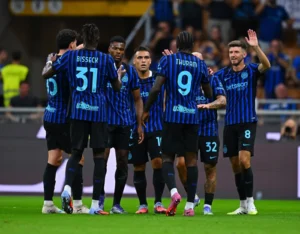
Ajax Amsterdam and Inter Milan, two titan clubs in the realm of football, boast rich histories that are deeply intertwined with both national and European competitions. Ajax, founded in 1900, has emerged as one of the most successful clubs in Dutch football history. Renowned for its emphasis on youth development, the club’s famed Ajax Academy has produced numerous footballing talents who have gone on to achieve greatness on an international scale. With a total of 35 Eredivisie titles and multiple UEFA Champions League triumphs, Ajax’s legacy is characterized by artistic play, tactical innovation, and a commitment to promoting young players.
On the other hand, Inter Milan, officially known as FC Internazionale Milano, was established in 1908 and has since solidified its reputation as a powerhouse in Italian football. The club’s distinguished history includes a wealth of Serie A titles and a commendable array of European accolades, including multiple UEFA Champions League trophies. Inter’s notable blend of tactical discipline and individual brilliance has made them a consistent competitor on the global stage, exemplifying Italian football traditions that emphasize both defensive solidity and attacking flair.
Both clubs have not only made significant contributions to their respective leagues but also have played crucial roles in the evolution of European football. Ajax’s “Total Football” philosophy influenced various teams across Europe, while Inter’s tactical approaches have left a lasting impression on coaching methodologies. The passionate rivalries they nurture, both within their domestic leagues and on the European front, underscore their significant stature in the sport, making any encounter between Ajax and Inter a celebrated event filled with historical implications and footballing heritage.
Overview of the Match: Ajax 0:2 Inter
The highly anticipated clash between Ajax and Inter showcased two storied football traditions, culminating in a decisive 2-0 victory for Inter. Right from the kickoff, the match was characterized by a blend of tactical prowess and moments of brilliance, making it a thrilling encounter for fans and analysts alike.
In the initial stages, Ajax aimed to assert dominance on their home turf. They utilized a fast-paced style, attempting to penetrate Inter’s solid defensive line. However, it was Inter who seized the first opportunity. In the 27th minute, a counter-attack led to the opening goal, a magnificent finish from Lautaro Martínez who capitalized on an uncharacteristic errant pass from the Ajax midfield. This goal not only shifted the momentum in favor of Inter but also visibly affected the morale of the Ajax players.
Ultimately, the match concluded with Inter triumphing 2-0. While Ajax showcased their attacking capabilities, Inter’s disciplined defense and clinical finishing proved decisive. The match served as a testament to the contrasting philosophies of both clubs, highlighting the enduring appeal of football traditions in Europe.
Tactical Analysis: Team Strategies
The match between Ajax and Inter showcased two distinct football philosophies embodied by the teams’ respective tactical approaches. Ajax, known for their commitment to possession-based football, employed a 4-2-3-1 formation that allowed for fluid movement among their midfielders and forwards. This structure facilitated quick ball circulation and enabled players like Dusan Tadic and Antony to exploit the flanks, creating ample opportunities for goal-scoring. The emphasis on youth development at Ajax was evident as emerging talents were strategically positioned to contribute to the team dynamics, demonstrating their philosophy of integrating young players into high-pressure situations.
In contrast, Inter adopted a more pragmatic approach with a 3-5-2 formation, reflecting a balance between offensive and defensive responsibilities. This setup allowed wing-backs such as Achraf Hakimi to push forward during offensive phases while maintaining defensive integrity. By crowding the midfield, Inter was able to disrupt Ajax’s rhythm and capitalize on counter-attacking opportunities. The tactical flexibility of coach Simone Inzaghi was paramount, especially during critical phases of the match, when Inter shifted to a more compact structure to soak up pressure and launch rapid assaults against the Ajax defense.
Shift changes in strategy were also apparent throughout the match. Ajax’s attempts to break down Inter’s resilience often led them to become vulnerable at the back, allowing Inter to exploit transitional moments. Conversely, Inter’s disciplined defensive organization forced Ajax to alter their game plan, reinforcing the often-precarious balance between maintaining their attacking identity and adjusting to the opposition’s tactics. As the match progressed, the strategic decisions made by both coaches played a pivotal role in shaping the flow of the game and ultimately influenced the scoreline.
Key Players and Performances
In the storied encounters between Ajax and Inter, key players often emerge as pivotal figures who sway the course of the match through their individual brilliance. Ajax, known for its youth development and attacking flair, frequently showcases talents that embody these characteristics. One such player is their prolific forward, who excels in goal-scoring and creating opportunities. His ability to find the back of the net in crucial moments has earned him admiration not only from fans but also from analysts who recognize his value in high-stakes matches.
On the other hand, Inter’s squad often features a diverse array of talents, including seasoned veterans and promising youngsters. A standout performer for Inter is their central midfielder, who provides stability and creativity on the pitch. His exceptional vision contributes to the team’s chemistry, enabling smooth transitions from defense to attack. Additionally, this player frequently finds himself involved in goal-scoring situations, either by scoring or assisting, thereby cementing his status as a key contributor in match scenarios against top-tier opponents like Ajax.
Defensively, both teams boast players whose contributions are vital to their respective systems. Ajax’s center-back, known for his aerial dominance and composure under pressure, often thwarts opposing attacks, preventing crucial goals. His positioning and tackling skills are essential in maintaining the team’s defensive integrity. In contrast, Inter also has a defensive stalwart that exemplifies leadership and tactical awareness, orchestrating the backline during intense periods of pressure.
The cumulative contributions of these key players heavily influence the outcomes of matches between Ajax and Inter. Their ability to rise to the occasion not only elevates their teams’ performances but also encapsulates the spirit of competition synonymous with these two historic clubs. The clash of these football traditions is often decided by the players’ impactful moments, making them indispensable elements in the narrative of their encounters.
Fan Reactions and Atmosphere
The clash between Ajax and Inter is not merely a contest of skill on the pitch; it is a vibrant spectacle enriched by the emotional fervor of the fans, whose presence and reactions create an electrifying atmosphere. Attending this historic matchup, supporters of both teams gathered at the stadium, transforming it into a sea of colors, with Ajax fans donning their iconic red and white, while Inter supporters showcased their traditional blue and black. The visual impact of these contrasting colors dramatically amplified the ambiance, setting the stage for a captivating encounter.
The sounds of the stadium were equally palpable, with passionate chants emanating from both the Ajax and Inter supporters. Each team had its own repertoire of songs that resonated through the stands, creating a unique auditory experience that could be felt by everyone present. Ajax fans, known for their unwavering dedication, offered vocal support through familiar anthems, while Inter’s supporters responded with anthems of their own, establishing a compelling back-and-forth atmosphere that highlighted the intense rivalry between the two clubs.
The energy generated by the fans did not only influence those in the stadium; it extended to fans watching from home, who rallied behind their teams, filling social media platforms with real-time reactions. Emotional commentary, analysis, and expressions of pride or disappointment circulated quickly, showcasing the global nature of football fandom. This connection between fans at the stadium and those watching remotely contributes to a communal experience that unites people across different locations, all cheering for their beloved teams. The intensity of the supporters undoubtedly adds to the match experience, proving that football is as much about the fans as it is about the players on the field. Ultimately, the atmosphere created by the fans is essential in elevating the significance of encounters like Ajax vs Inter, turning typical matches into unforgettable events steeped in tradition and emotion.
Referee Decisions and Controversies
In any football match, the role of the referee is pivotal, serving as the final arbiter on the pitch. The recent encounter between Ajax and Inter was no exception, as several critical officiating decisions came under scrutiny, having the potential to influence the match’s outcome significantly. Each decision made can ignite passion and provoke debate among players, analysts, and fans alike, highlighting the complex nature of officiating in high-stakes games.
One of the most talked-about moments of the match involved a contentious penalty call. Ajax was awarded a penalty after a challenge in the box, leading to a flurry of reactions from Inter’s players, who argued that the foul occurred outside the area. This incident not only sparked immediate controversy but also initiated discussions about the consistency of officiating standards. After extensive review, many experts pointed out the subjective nature of foul calls, particularly in tightly contested games such as this. The use of VAR (Video Assistant Referee) was also debated, with questions raised about its implementation and impact on game flow.
Another significant moment arose when a goal was disallowed for offside by the referee. Replays showed that the decision was marginal, leading to discussions about the accuracy of offside technology and the implications of such calls on both teams’ morale. As fans expressed their frustrations via social media platforms, the impact of these decisions rippled beyond the game itself, becoming a focal point of analysis in post-match commentary.
Ultimately, the role that referees play in such high-stakes matches cannot be understated. Critical decisions, whether they are perceived as right or wrong, often bear significant consequences in terms of team strategy and fan sentiment. Thus, the Ajax versus Inter match serves as a reminder of the ongoing debate surrounding officiating standards in football, reflecting both tradition and modernity’s complex interplay on the field.
Post-Match Reactions: Coaches and Players
Following the intense clash between Ajax and Inter, post-match reactions from both coaches and key players shed light on their perspectives regarding the match. Coaches often provide strategic insights, while players offer a glimpse into the emotions and performances exhibited on the pitch.
Ajax’s coach emphasized the importance of their tactical approach throughout the game. He noted that the team’s ability to maintain possession and create scoring opportunities was critical. However, he expressed concern regarding several missed chances, highlighting that converting those opportunities could have altered the outcome significantly. The coach commended his team’s resilience, suggesting that they should build on the positive aspects of their performance, even in defeat. He also pointed out the need for further improvement in defensive organization to ensure stronger performances in upcoming matches.
On the opposite side, Inter’s coach praised his players for executing the game plan effectively. He remarked on the cohesion displayed by the team, which he felt was instrumental in securing victory. The coach acknowledged specific player contributions, particularly noting the importance of their midfield dominance, which allowed for fluid transitions between defense and attack. His comments reflected satisfaction with the overall team performance but also contained warnings about complacency, as he urged players to remain focused on their forthcoming fixtures.
Player reactions offered additional insights into their individual experiences during the match. For Ajax, a standout forward lamented the missed opportunities but reiterated a belief in the team’s capabilities, insisting that they would learn from this match and come back stronger. Conversely, Inter players celebrated their victory, with one defender attributing success to their disciplined approach and communication on the field. Overall, the post-match reactions encapsulated the blend of disappointment and hope, as both teams look ahead to future challenges.
Previous Encounters: A Historical Overview
The rivalry between Ajax and Inter Milan is steeped in a rich historical context that has evolved over the decades. Their first notable encounter took place in the 1969 European Cup Final, where Ajax triumphed 1-0. This match marked the beginning of an enduring competition, setting the tone for their future confrontations and establishing Ajax as a formidable presence in European football.
Throughout the 1970s, Ajax emerged as a dominant force, known for their Total Football philosophy, while Inter, with its strong defensive tactics, continued to challenge them. A significant meeting occurred during the knockout stages of the UEFA Champions League in the early 1990s. Ajax’s impressive young talents faced off against Inter’s seasoned squad, with each encounter highlighting tactical evolutions and showcasing some of the best players in both teams’ histories.
As the years progressed, the dynamic of their rivalry shifted. The 2010s brought forth another memorable clash in the UEFA Europa League, where Ajax displayed a blend of youthful exuberance and tactical discipline, while Inter had to navigate a challenging transformation within their squad. Each match rekindled memories of past glory and instilled a sense of pride among fans, illustrating the longstanding traditions upheld by both clubs.
This latest match adds another chapter to their storied rivalry. Both teams continue to draw upon their historical experiences, illustrating the profound connection between their past encounters and the current strategies they employ on the field. The historical context of Ajax versus Inter is not merely a recounting of scores and statistics, but a reflection of the evolving narratives that enrich the fabric of world football. As these giants clash once more, they carry with them the weight of tradition and the expectations of their respective legacies.
Implications of the Result
The recent encounter between Ajax and Inter has significant ramifications for both clubs, particularly in the context of their respective league standings and aspirations in European competitions. This match not only impacts immediate points but also reverberates through player morale, team dynamics, and future strategic decisions as the season progresses.
For Ajax, the defeat or victory could dictate their confidence levels as they navigate the challenging landscape of the Eredivisie and the UEFA Champions League. A loss might prompt a reevaluation of tactics and player positions as they strive to reclaim their form and position in the domestic league, while a win could bolster their credentials, reinforcing their status in the Champions League and providing momentum for upcoming fixtures. The psychological aspect of this match cannot be understated; the team’s morale could be uplifted or diminished based on their performance against a storied rival like Inter.
Conversely, Inter’s performance has broader implications for their standing in Serie A and their ambitions on the European front. A positive outcome would enhance their competitive edge in the domestic league, influencing their approach in subsequent matches. With their focus on securing Champions League qualification, a victory against a formidable opponent like Ajax would not only yield critical points but also serve as a confidence booster for the squad. Inter’s coaching staff may choose to reinforce winning strategies or adjust their lineup based on the insights gained from this match, laying the groundwork for future success.
Overall, the results of such high-stakes encounters extend beyond the immediate effects on the league tables, shaping the course of the season for both Ajax and Inter. They influence not only tactical decisions but also the psychological resilience of players, which will be crucial as they continue to pursue their respective goals in both domestic and European competitions.