
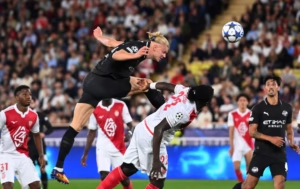
The recent showdown between AS Monaco and Manchester City was a highly anticipated fixture, drawing attention from football enthusiasts around the globe. Both teams entered the match with strong performances in their respective leagues, and the stakes were high as they aimed to assert dominance in European competitions. AS Monaco, known for its vibrant attacking play and youthful squad, showcased a blend of emerging talent and seasoned players. The likes of Wissam Ben Yedder and Sofiane Diop have been instrumental in propelling Monaco to success, displaying their capability to challenge even the most formidable opponents.
On the other side, Manchester City, under the guidance of their tactically astute manager, boasted a squad replete with international talents. With stars like Kevin De Bruyne and Erling Haaland leading the charge, the team was coming off a series of impressive victories that highlighted their attacking prowess and solid defensive organization. Their recent form suggested that they were in peak condition to contend for another title, making this matchup particularly crucial for their aspirations in the UEFA Champions League.
This encounter was not the first between the two teams, as previous meetings had witnessed thrilling moments which contributed to the fierce competitive spirit. The memories of past clashes added an extra layer of intensity to this game, as fans eagerly awaited whether AS Monaco could replicate their past brilliance or if Manchester City would assert their dominance on the pitch. The blend of tactical nuance, high stakes, and star-studded lineups set the stage for a match that promised to be captivating and memorable, leaving spectators on the edge of their seats.
First Half Highlights
The first half of the match between AS Monaco and Manchester City was an enthralling display of football, characterized by spirited performances and tactical ingenuity from both teams. The opening exchanges were marked by an intense battle for midfield control, with Monaco initially asserting themselves through aggressive pressing and quick transitions. Their strategy focused on disrupting Manchester City’s build-up play, compelling the visitors to adapt quickly.
Monaco’s early pressure paid off when they took the lead in the 12th minute. A well-executed counter-attack saw the ball swiftly moved from their defensive third to the final area. A precise cross into the box found the head of their striker, who brilliantly directed it past the Manchester City goalkeeper. This early goal injected a significant boost of confidence into the home team, propelling them to dictate the tempo of the match.
In response, Manchester City displayed their characteristic resilience. Coach Pep Guardiola adjusted the team’s formation, introducing a more fluid attacking style aimed at breaking down Monaco’s defensive structure. The visitors began to assert themselves, controlling possession and probing for gaps in defense. Their efforts culminated in a beautifully orchestrated equalizer towards the latter part of the half, highlighting their capability to respond under pressure.
Notable performances included Monaco’s goalkeeper, who made several crucial saves, preserving their lead during City’s spell of dominance. Additionally, City’s midfielder exhibited remarkable vision and passing accuracy, connecting with forwards and creating scoring opportunities. As the half progressed, both teams exchanged tactical blows, with the nervous energy in the stadium indicative of the high stakes involved in the encounter. The first half ultimately set the stage for an exciting continuation, establishing a well-fought 1-1 scoreline by the break, paving the way for more captivating moments in the second half.
The Turning Point
The thrilling match between AS Monaco and Manchester City, which ended in a 2:2 draw, showcased not only remarkable play but also critical moments that influenced its outcome. A pivotal turning point occurred during the second half when AS Monaco’s swift counterattack led to their second goal. This goal, scored by Monaco’s forward, shifted the momentum significantly and added pressure on Manchester City, who at that point were in control of the game. The swift nature of the attack highlighted Monaco’s tactical acuity and their ability to capitalize on the slightest defensive lapse from City.
Moreover, an essential factor in the match dynamics was the decision by referee to award a penalty in favor of AS Monaco shortly after their second goal. This decision sparked a range of emotions among the players and coaching staff, ultimately impacting the players’ mentality on both teams. City’s players, who had been dominant for much of the match, began to feel the pressure, leading to mistakes that were uncharacteristic of their usual play. In contrast, the penalty awarded added to Monaco’s confidence and solidified their belief that they could indeed secure a victory against a formidable opponent.
Additionally, the subsequent introduction of key substitutes by Monaco proved to be decisive. The fresh legs on the field allowed Monaco to maintain their high pressing game, thereby disrupting City’s rhythm and composure. This strategic maneuver not only enhanced Monaco’s attacking options but also made it increasingly difficult for City to regain control as the match wore on. The interplay of these factors illustrates the intricate dynamics of football, where a single moment can redefine the trajectory of a match, igniting hopes, and undermining confidence.
Second Half Tactics
The second half of the match between AS Monaco and Manchester City showcased a notable shift in tactical approaches by both managers, which ultimately influenced the flow of the game and player performances. Upon resuming, AS Monaco adopted a more aggressive strategy, evident in their pressing game. They sought to reclaim possession higher up the pitch and disrupt Manchester City’s rhythm. This approach not only energized the Monaco players but also put additional pressure on City’s defense, forcing them to make quicker decisions under duress.
In response, Manchester City’s manager implemented strategic substitutions aimed at bolstering their midfield control. By introducing a more dynamic midfielder, City sought to retain possession and transition more effectively from defense to attack. This tactical adjustment provided City with a temporary advantage, allowing them to string together passes and create goal-scoring opportunities. The match dynamics fluctuated, with both teams creating numerous chances, resulting in a thrilling spectacle for spectators.
Furthermore, AS Monaco’s tactical shifts displayed their adaptability, as they pivoted between a high-pressing game and a more structured defensive setup to counter City’s fluidity. Notably, the introduction of fresh legs allowed Monaco to maintain intensity throughout the second half, demonstrating their fitness and strategic depth. Special attention should be given to how these adjustments influenced individual performances; some players flourished under the new tactics, while others struggled to adapt to the shifting demands of the game.
As the minutes ticked away, both teams displayed commendable resilience, with each manager’s tactical prowess shining through. The exchanges in strategy not only made for an entertaining spectacle but also set the stage for critical moments that defined the eventual 2:2 outcome, affirming the significance of tactical flexibility in high-stakes matches.
Key Player Performances
In the thrilling encounter between AS Monaco and Manchester City, individual players delivered noteworthy performances that significantly influenced the match outcome. One standout for AS Monaco was Aleksandr Golovin, whose tireless running and adept ball control marked him as a pivotal figure throughout the contest. He showcased his technical skills with key dribbles that dismantled the City defense on several occasions, resulting in two critical assists that were instrumental for the home side. Golovin’s ability to connect play in midfield made him a linchpin in Monaco’s attacking framework, demonstrating his role in orchestrating the tempo of the match.
On the Manchester City side, Kevin De Bruyne reaffirmed his status as one of the premier midfielders in Europe. De Bruyne’s vision and passing accuracy were on full display, as he completed 87% of his passes, including a sensational long ball to set up one of City’s equalizers. His leadership on the field was evident, guiding teammates with his movement and creating space for attacking opportunities. Moreover, his skillful attempts from the edge of the box nearly turned the tide in favor of City, showcasing his knack for finding the back of the net in crucial moments.
Another noteworthy mention is AS Monaco’s goalkeeper, Alexander Nübel, who effectively kept his side in the game with a series of crucial saves, particularly in the dying moments. His reflexes and decision-making contributed to maintaining the scoreline, evidencing the quality of his performance. For Manchester City, Erling Haaland’s presence in the final third posed constant threats to the Monaco defense, as he displayed exceptional strength and pace, ultimately finding the net and reinforcing his reputation as a top striker.
These performances reflect the high caliber of talent on both sides, validating the excitement and intensity of the match. The contributions of these players played a decisive role in generating a thrilling atmosphere and delivering an enthralling 2:2 draw.
Defensive Struggles
The match between AS Monaco and Manchester City, which concluded in a 2:2 draw, highlighted significant defensive shortcomings from both sides. Defensive play is critical in determining the outcome of a football match, and in this instance, lapses and errors led directly to goals scored by both teams. Analyzing these defensive struggles reveals where each team could have performed better and how these moments influenced the final scoreline.
Manchester City’s defense struggled to maintain organization, particularly during transitional phases. One striking example was the failure to properly track AS Monaco’s counter-attack, which culminated in a well-executed move leading to their first goal. Central defenders were often caught out of position, which allowed Moncao’s attackers to exploit gaps in the back line. Additionally, there were instances where miscommunication between City’s defenders created unnecessary vulnerabilities, granting the opposing team valuable scoring opportunities.
On the other hand, AS Monaco’s defense also presented its own set of issues. Despite having moments of resilience, the back line exhibited reluctance under pressure. The second goal by Manchester City can be attributed to a lapse in concentration, where defenders left players unmarked during a set piece. Furthermore, their inability to clear the ball effectively on several occasions led to sustained pressure from City, who continued to capitalize on these mistakes. The lack of composure in Monaco’s defensive third not only allowed City to equalize but also nearly led to more goals that could have tipped the match in either team’s favor.
Ultimately, both teams exhibited defensive frailties that shaped the dynamics of the match. The study of these defensive struggles sheds light on the critical importance of effective communication and organization in football, as both teams will look to address these issues in future encounters.
Fan Reactions and Atmosphere
The match between AS Monaco and Manchester City, which culminated in a thrilling 2:2 draw, was marked by an electric atmosphere that resonated throughout the stadium. From the first whistle, the supporters of both clubs displayed unwavering dedication, creating a vibrant backdrop that amplified the intensity of the encounter. Fans adorned in the colors of their respective teams filled the stands, and the noise generated from the crowd was palpable, significantly contributing to the match’s overall excitement.
Chants reverberated off the walls of the stadium, with AS Monaco supporters leading the way in fervent allegiance, singing songs that celebrated their team’s history and spirit. Their unwavering support was crucial, especially during key moments such as Monaco’s equalizing goal, which sent waves of jubilation throughout the crowd. Manchester City fans, known for their passionate displays, responded with equal fervor, showcasing their pride and loyalty, particularly when their team took the lead. This back-and-forth not only lifted the players on the pitch but also fostered a sense of camaraderie among the supporters present.
Overall, the fans’ impact on the match was profound, as their enthusiasm not only amplified the excitement but also fostered a communal spirit during this dramatic encounter. Their presence undoubtedly made this showdown between AS Monaco and Manchester City a memorable experience for all involved.
Post-Match Reactions
The thrilling encounter between AS Monaco and Manchester City, which ended in a dramatic 2:2 draw, elicited a variety of reactions from players, managers, and football pundits alike. Both teams showcased significant skill and determination, leading to a match that will likely be remembered for its intensity and high stakes.
From the perspective of AS Monaco’s manager, the draw was a display of resilience. He expressed satisfaction with his team’s performance, emphasizing their ability to match one of Europe’s elite sides. “We showed great character,” he remarked in the post-match interview, underscoring the importance of belief and teamwork. However, he also noted areas for improvement, particularly in maintaining defensive organization during critical phases of the game.
Manchester City’s manager shared a contrasting sentiment, reflecting on missed opportunities that could have tilted the match in their favour. He acknowledged the quality of AS Monaco, stating, “They pushed us to our limits,” while reiterating the need for his players to capitalize on chances. The City manager stressed that the title race remains competitive, and performances like these could prove pivotal as the season progresses.
The players from both sides expressed a mix of disappointment and optimism following the match. Monaco’s star forward commented on the emotional rollercoaster of the draw, stating that moments like these are essential for building confidence. Meanwhile, a City defender reflected on the need to learn from such fixtures, indicating that every point gained or lost carries weight toward the ultimate goal of securing the league title.
Pundits noted the draw’s implications for both teams, particularly in the context of their respective ambitions. Analysts highlighted the tactical battle, praising the strategies employed by both managers while emphasizing that maintaining consistency will be crucial as the season unfolds.
Implications of the Result
The 2:2 draw between AS Monaco and Manchester City carries significant implications for both teams as they navigate their respective seasons. For AS Monaco, this result reinforces the team’s resilience. The ability to secure a point against a formidable opponent like Manchester City highlights their competitive spirit and potential to challenge for a higher position in their domestic league. Such performances can enhance team morale, fortifying their belief in achieving better results in upcoming fixtures against other league rivals.
Conversely, Manchester City, despite the draw, must reflect on their defensive vulnerabilities which were exposed in this match. While they remain a strong contender in both domestic and European competitions, the inability to secure a victory against a lesser-ranked team may indicate the need for adjustments in their defensive strategies. The draw could serve as a wake-up call for the coaching staff and players to reassess their approach and ensure greater attentiveness during matches.
The shared points from this encounter also have repercussions for league standings. For AS Monaco, the draw may propel them closer to mid-table safety, allowing for a potential push towards European competition qualification. On the other hand, Manchester City, aiming for the title, will need to capitalize on the performance of their rivals, realizing that every point is crucial in the tightly contested race at the top of the table.
Ultimately, both teams can extract valuable lessons from this match. AS Monaco can take pride in their ability to compete at a high level, while Manchester City must intensify their focus on maintaining defensive solidity. The outcome serves as a reminder of the unpredictable nature of football, where even the most skilled teams can encounter challenges that necessitate ongoing evolution and adaptation.
