
The rivalry between Chelsea FC and Bayern Munich is one of the most compelling narratives in European football, representing not just the clash of two storied clubs but also the intersection of English and German football cultures. Chelsea, founded in 1905, and Bayern Munich, established in 1900, have etched their names in the annals of football history, significantly impacting their respective leagues and the UEFA competitions.
This rivalry gained international prominence particularly during the UEFA Champions League matches, where both clubs showcased their formidable prowess. One of the defining moments in this rivalry occurred in the 2012 UEFA Champions League final, held at the Allianz Arena in Munich. In a dramatic encounter, Chelsea triumphed in a penalty shootout, securing their first Champions League title. This monumental victory not only heightened the competitive spirit between the two clubs but also served as a catalyst for Chelsea’s ascendance on the European stage.
Key Matches: A Timeline of Encounters
The storied rivalry between Chelsea and Bayern Munich has unfolded over several decades, marked by memorable matches in various competitions, including domestic leagues and UEFA tournaments. A defining moment came during the 2004-2005 UEFA Champions League quarter-finals, where Chelsea faced Bayern in a two-legged encounter. The first match, held at Stamford Bridge, ended in a 4-2 victory for Chelsea. This performance showcased the attacking prowess of players like Frank Lampard and Didier Drogba, marking a significant win for the London club.
The following season, the teams clashed again in the group stages of the UEFA Champions League, where a thrilling match in Munich resulted in a 0-0 draw. This encounter was notable for the defensive strategies employed by both teams and the remarkable performances of their goalkeepers, Petr Čech and Oliver Kahn, who played pivotal roles in securing the draw.
Fast-forward to the 2012 UEFA Champions League final, a historic fixture that concluded with Chelsea securing their maiden Champions League trophy. The match, held at the Allianz Arena, ended 1-1 after extra time, leading to a penalty shootout. Chelsea emerged victorious, with Didier Drogba converting the decisive penalty, epitomizing the spirit of resilience and determination in this captivating rivalry.
In the 2019-2020 season, the two teams met again in the round of 16 of the Champions League. Bayern Munich showcased their dominance with a staggering 7-1 aggregate victory, underlining their strength in the competition and leaving a profound impact on Chelsea’s aspirations that season. Through these encounters, the rivalry has not only highlighted the evolution of both clubs but also the exceptional talent that has graced the pitch, making their matches a central focus for football fans worldwide.
Player Contributions: Stars Who Shone
In the high-octane clashes between Chelsea and Bayern Munich, the contribution of individual players often proves decisive. The intensity of this football rivalry has seen numerous stars rise to prominence, showcasing their talents on one of the biggest stages in the sport. Players from both clubs have made their mark, delivering performances that not only enthralled fans but also significantly influenced the outcomes of these critical matches.
For Chelsea, one player who consistently stood out is Frank Lampard. His ability to score crucial goals and orchestrate play from midfield was pivotal during key encounters, particularly in the UEFA Champions League. Lampard’s exceptional vision, passing capabilities, and knack for arriving in goal-scoring positions made him a central figure in Chelsea’s triumphs against Bayern. He played an essential role in the 2012 Champions League final, where his determination and leadership were instrumental in guiding the team to victory.
On the other side, Bayern Munich has also boasted its share of luminaries, with Robert Lewandowski being a standout performer. Renowned for his prolific goal-scoring abilities, Lewandowski has often been the thorn in Chelsea’s side. His remarkable positioning and clinical finishing have resulted in memorable moments, including an impressive display during the knockout stages of the competition. Lewandowski’s contributions not only enhanced Bayern’s attack but also highlighted his capacity to deliver under pressure in pivotal situations.
Add to this the remarkable defensive prowess exhibited by players like Thiago Silva for Chelsea and Manuel Neuer for Bayern, both of whom have been vital in ensuring their teams maintain solidity at the back, often saving the day in tense matches. The collective individual brilliance of these players undeniably shapes the narrative of this captivating rivalry, leaving a lasting impact on the footballing landscape.
Tactical Battles: Managers’ Strategies
The tactical approaches employed by the managers of Chelsea and Bayern Munich have played a crucial role in shaping the outcomes of their encounters. Both teams, under the leadership of astute coaches, have demonstrated distinct philosophies and strategies that reflect their respective playing styles.
Historically, Chelsea has often adopted a pragmatic and organized approach, focusing heavily on defensive solidity while exploiting the flanks in attack. Under their recent management, the team typically lines up in a formation that allows for swift transitions from defense to attack. For instance, the use of a 3-4-3 formation has enabled Chelsea to maximize width and ensure numerical advantage in key areas of the pitch, particularly in central midfield. This formation also facilitates counter-attacking opportunities, a strategy that has frequently unnerved opposing defenses, including Bayern Munich’s, by leveraging the pace of their wide players.
In contrast, Bayern Munich often embodies a more aggressive and possession-based style of play. The German giants frequently utilize a 4-2-3-1 formation, allowing them to dominate ball possession and maintain constant pressure on their opponents. This formation also supports the team’s high pressing game, aiming to recover possession quickly in the opponent’s half. Managers like Julian Nagelsmann have emphasized fluidity in movement, encouraging players to interchange positions, making it challenging for Chelsea to predict and counter their attacking patterns.
These tactical divergences have led to captivating matches where strategic decisions have had significant impacts. For instance, Bayern’s ability to control the midfield through quick ball movement often forced Chelsea to adapt defensively, leading to thrilling encounters marked by contrasting styles. Ultimately, the efficacy of these tactics is reflected in the rich history of competitive matches between the two clubs, where managerial strategies continue to evolve and influence the flow of the game.
Fan Culture and Atmosphere
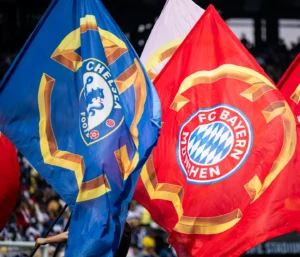
The fan cultures surrounding Chelsea and Bayern Munich play a significant role in shaping the atmosphere of their matches. Both clubs boast fervent supporters whose dedication is evident through the vibrant displays and vocal presence during games. Chelsea fans, often referred to as “The Blues,” create an electric atmosphere at Stamford Bridge and during away fixtures. They are known for their passionate chants, which resonate throughout the stands and contribute to a tangible sense of unity and pride. These chants, often emphasizing their club’s history and fighting spirit, serve to rally the team and intimidate opponents.
On the other side, Bayern Munich supporters, one of the most organized and loyal fan bases in Europe, showcase their commitment through meticulously organized tifos and chants that pay homage to their club’s storied legacy. Known for their unwavering support, Bayern fans create an incredible atmosphere at the Allianz Arena, turning it into a fortress that is often difficult for visiting teams to penetrate. The famous “Stern des Südens” chant, for instance, echoes through the stadium, instilling a sense of pride and reinforcing their collective identity as fans of a club that has historically dominated German football.
During matchdays, both sets of fans engage in friendly rivalry, with unique practices such as pre-match rallies and post-match reflections that encapsulate their shared love for the sport. The interactions between rival fans can be intense yet respectful, exemplifying a deep-rooted passion for football that transcends borders. The energy generated by Chelsea and Bayern Munich supporters creates an unforgettable spectacle, enriching the overall matchday experience and highlighting the significance of fan culture in professional football. This vibrant atmosphere not only enhances the game itself but also solidifies the enduring rivalry between these two prestigious clubs.
Recent Form: Current Context
As the anticipation for the upcoming matchup between Chelsea and Bayern Munich builds, an analysis of their recent performances reveals critical insights into their form and competitive edge. Chelsea’s journey in the Premier League this season has been notably turbulent. The squad has shown potential, with young talents emerging and seasoned players like Raheem Sterling contributing significantly to the attacking force. However, inconsistency has plagued their campaign, evidenced by several unexpected losses and draws against lower-ranked teams, reflecting a need for strategic adjustments. Furthermore, injuries to key players and the transitional phase under new management have added layers of complexity to their squad dynamics.
Conversely, Bayern Munich has maintained a more stable trajectory in the Bundesliga. The team’s formidable attack, spearheaded by the prolific Harry Kane, has consistently outscored opponents, highlighting their attacking prowess. In addition to their strong offensive play, Bayern has demonstrated solid defensive capabilities, attributed to their experienced backline. Nevertheless, the squad faces challenges, including injury concerns to midfielders, which could potentially disrupt their rhythm and tactical approach in future clashes. The tactical insights from Julian Nagelsmann’s management style often focus on high pressing and fluid attacking movements, making their games exciting to watch and difficult to predict.
In light of these factors, both teams possess unique strengths and vulnerabilities that will be pivotal in their future encounters. Chelsea’s ability to stabilize their lineup and harness their potential is essential, while Bayern must navigate their injury challenges to maintain their imposing form. The clash promises to be not only a showcase of tactical acumen but also a reflection of each squad’s resilience amidst their current contexts.
Impact on European Football
The rivalry between Chelsea and Bayern Munich has significantly shaped the landscape of European football, influencing trends on and off the pitch while contributing to the legacy of the UEFA Champions League. Both clubs, with their illustrious histories and consistent performances, have become synonymous with excellence in European competitions. Their encounters have not only provided thrilling matches for fans but also served as catalysts for various tactical evolutions within the sport.
On the field, the Chelsea vs Bayern Munich matches have often showcased contrasting styles, with Chelsea’s pragmatic approach frequently colliding with Bayern’s emphatic attacking play. This clash of philosophies has enriched the tactical discourse around European football, prompting analysts and coaches to reassess their strategies in critical moments. The instances of these teams contesting for prestigious titles have illuminated how top clubs evolve to maintain competitiveness at the highest levels.
Beyond tactics, Chelsea and Bayern’s rivalry has had substantial financial implications for European football. Their encounters in pivotal matches, particularly in the UEFA Champions League, have generated substantial revenue through broadcasting rights and ticket sales. Additionally, the visibility of these clubs aims to attract sponsorships and global fan engagement, further solidifying their brands internationally. The rise of social media has amplified this effect, allowing fans to interact with the clubs directly and enhancing the overall reach of the clubs’ marketing efforts.
Moreover, these two clubs have contributed to developing young talents by nurturing players who later shine on the European stage. Their youth academies and scouting practices frequently set benchmarks for other teams striving for success on both domestic and continental fronts. Overall, the Chelsea vs Bayern Munich rivalry exemplifies how two clubs, through competition, have made lasting contributions not only to their legacies but to the evolution of European football as a whole.
Future of the Rivalry: What Lies Ahead?
The Chelsea vs Bayern Munich rivalry has historically been characterized by intense competition and memorable encounters, but what does the future hold for these two European giants? Several factors, including potential managerial changes, player transfers, and evolving playing styles, will play a significant role in shaping the rivalry in forthcoming seasons.
Management changes can often lead to shifts in a team’s tactical approach. For instance, if either club were to appoint a coach known for innovative strategies or a focus on youth development, we could witness a transformation in their playing tactics. Such changes might affect how these teams confront each other, as a new philosophy can lead to unexpected results and alter established dynamics within this captivating rivalry.
Player transfers also significantly influence the competitive landscape. Talented players switching sides can create excitement and intrigue among fans, adding another layer to the rivalry. For example, should a key player from one side join the other, it could drastically alter the expectations and narratives leading up to their encounters. Furthermore, the development of young talents within each club will be crucial. As the football landscape evolves, clubs must adapt, and the emergence of promising players can offer a glimpse into the future potential of these teams and their rivalry.
Shifts in tactics are another component that may affect how Chelsea and Bayern Munich face off in the future. With the increasing emphasis on data analytics, tactical adjustments will be vital in maximizing performance against direct rivals. This evolution in tactical acumen can significantly enhance the intensity and unpredictability of their matches, making each encounter more thrilling for fans.
As we look ahead, it is evident that the Chelsea vs Bayern Munich rivalry is poised for further development, with potential managerial changes, strategic shifts, and player movements set to enhance the intricacies of their battles on the pitch.
Conclusion: The Enduring Legacy
The rivalry between Chelsea and Bayern Munich stands as a testament to the power and allure of football. Since its inception, this rivalry has transcended mere competition; it encapsulates the emotions, ambitions, and histories of both clubs. The battles on the pitch, particularly during high-stakes matches in prestigious tournaments like the UEFA Champions League, have created a narrative filled with drama, tension, and unforgettable moments. Fans of both teams experience a unique bond forged through shared memories and collective hopes as they witness their clubs clash on the European stage.
The significance of the Chelsea vs Bayern Munich rivalry extends beyond the sport itself. It serves as a focal point for numerous discussions and analyses within the football community. The exceptional skill displayed by players, the tactical strategies from managerial decisions, and the intensity of the encounters all contribute to the captivating storyline that keeps fans engaged. The notable matches, such as the memorable 2012 Champions League final, have become etched in the annals of history, highlighting the stakes and deepening the connection between the clubs and their supporters.
As we reflect on this enduring rivalry, it is essential to recognize how it ignites passion among fans worldwide. The excitement generated by each clash opens up opportunities for shared experiences and discussions among supporters, creating a vibrant atmosphere synonymous with the spirit of football. Chelsea and Bayern Munich will undoubtedly continue to define each other’s legacies as their paths intertwine in future competitions. We invite readers and fans alike to share their thoughts, experiences, and cherished memories related to this iconic rivalry, as the narrative of Chelsea and Bayern Munich continues to unfold. Through collective storytelling, we can further enrich the legacy of this remarkable football rivalry.
