
Match Overview
The encounter between Manchester United and Fulham at Craven Cottage ended with a 1-1 draw, a result that has implications for both teams as they navigate the current season. The match showcased a blend of perseverance and missed opportunities, drawing attention to each side’s differing aspirations and challenges in the English Premier League. Manchester United opened the scoring early in the first half, with an impressive goal that highlighted their attacking prowess. However, Fulham responded resiliently, equalizing midway through the second half, demonstrating their capability to compete at a high level.
Key moments in the match included several close chances that could have tipped the game in either direction. Manchester United dominated possession and had multiple attempts at goal, but Fulham’s defense remained resolute. The home team showed bursts of creativity and determination, particularly in the second half, when they capitalized on a defensive lapse by United to find the equalizer. This goal not only shifted the momentum of the match but also served as a testament to Fulham’s fighting spirit.
The significance of this draw is multifaceted for both teams. For Manchester United, the result signals an urgent need for growth and consistency, as highlighted by manager Ruben Amorim’s comments post-match. They will need to harness the positives from their performance while addressing the aspects that led to conceding the equalizer. In contrast, Fulham can take confidence from their ability to secure a point against a powerhouse like United, showcasing their resilience. This match has set an early tone for each team’s campaign, indicating that both will have to navigate challenges as the season unfolds.
Ruben Amorim’s Reaction
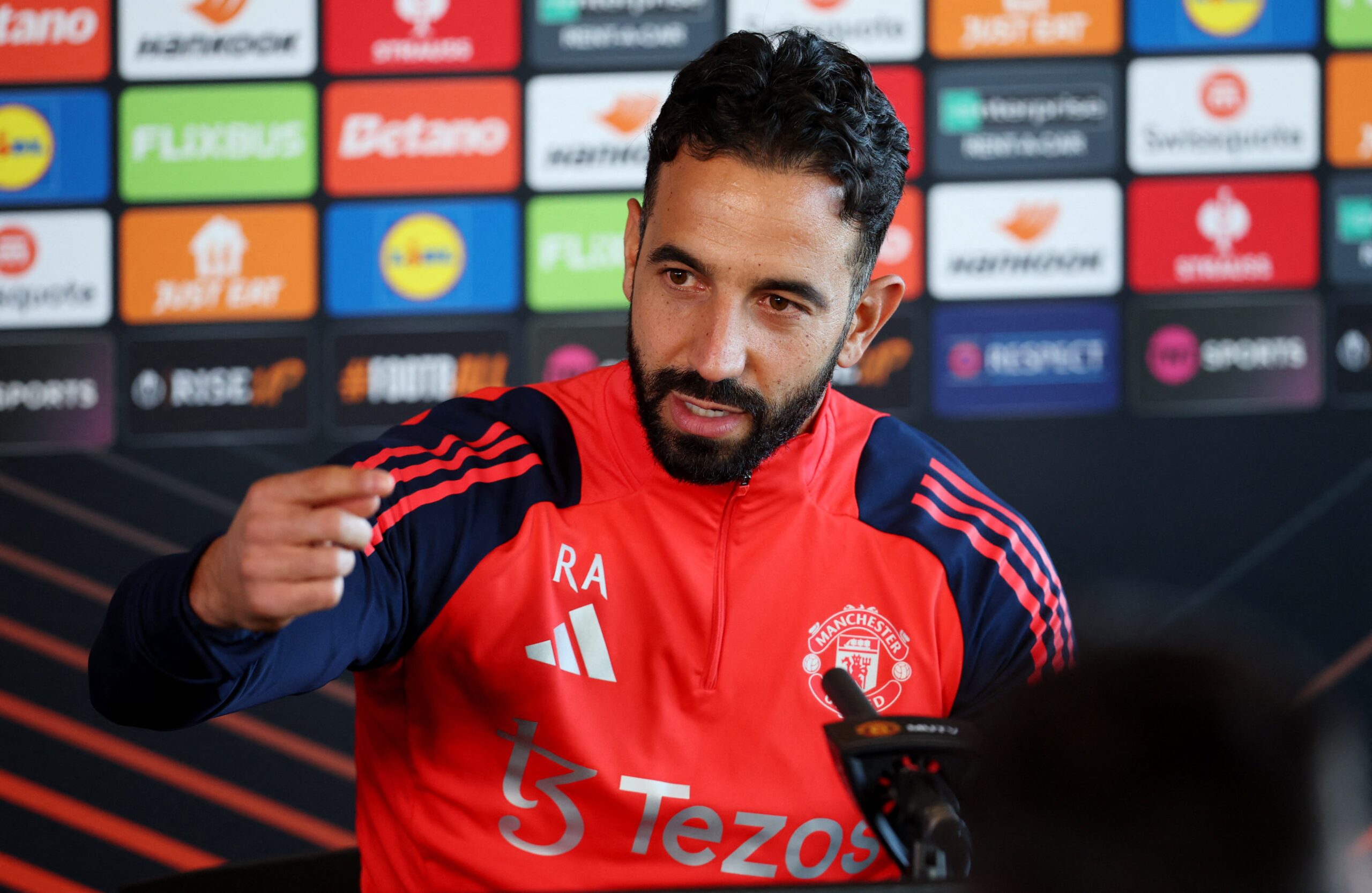
Following Manchester United’s recent draw with Fulham, Ruben Amorim expressed his disappointment regarding the team’s inability to secure a victory despite holding a lead during the match. In his post-match comments, Amorim highlighted that while the team demonstrated moments of promise, a lack of mental maturity hindered their ability to maintain control over the game. He emphasized that such lapses not only affect the team’s standings in the league but also reflect on the players’ development as individuals.
Amorim’s assessment pointed to the critical need for the squad to cultivate a stronger resilience in high-stakes situations. He remarked, “We must learn how to manage our advantages better. Taking the lead should not only serve as an indication of potential victory but rather as a catalyst for greater focus and determination.” This statement underscores his belief that mental fortitude is paramount in the pursuit of sustained success in competitive environments.
The manager further stressed the importance of learning from these experiences, indicating that each match presents valuable lessons for growth. He stated, “This result serves as a reminder that we have areas to improve. Our approach in the final phases of a match needs to evolve if we aim to compete effectively.” His candid reflections serve as both an acknowledgment of the team’s current shortcomings and a call to action for future performances.
Amorim’s comments resonate not only within the context of this match but also reflect a broader philosophy that he wishes to instill within the team. By prioritizing mental maturity, the players can develop a cohesive playing style that minimizes errors and maximizes their potential. Such development is vital as Manchester United aims to refine their competitive edge in upcoming fixtures.
The Impact of Emile Smith Rowe
Emile Smith Rowe’s performance during the recent match against Manchester United proved pivotal for Fulham, as his late equalizer not only shifted the momentum of the game but also demonstrated his remarkable ability to influence the proceedings on the pitch. As the match unfolded, it became increasingly evident that Smith Rowe was a linchpin in Fulham’s offensive strategy. His agility and capability to navigate through tight defenses allowed the team to maintain pressing pressure on United’s backline.
Throughout the encounter, Smith Rowe’s composure under pressure was noteworthy. His goal, coming in the dying moments of the match, epitomized his knack for being in the right place at the right time. The equalizer served to energize his teammates, providing a much-needed boost in morale. This was reflected in the heightened intensity that Fulham displayed post-goal, symbolizing the transformative effect Smith Rowe had on the team’s confidence. Players often draw motivation from significant contributions made by their peers, and his ability to deliver in crucial moments is likely to have a lasting impact on Fulham’s mentality as they look to progress in the league.
Furthermore, Smith Rowe’s performance signifies a broader trend that could benefit Fulham in the long run. His growing influence within the squad may enhance team cohesion and inspire his colleagues to elevate their performances as well. With his presence on the field, Fulham possesses the potential to shift game dynamics, making him an invaluable asset going forward. As the team navigates a demanding fixture list, Smith Rowe’s capacity to deliver crucial goals and instill confidence will be essential for Fulham’s aspirations in the season ahead.
Manchester United’s Second-Half Strategy
In the recent match against Fulham, Manchester United employed a strategy often termed ‘shutting up shop’ following their opening goal. This tactic involves prioritizing defensive solidity after scoring, with the intention of maintaining the lead. However, while this approach may provide a short-term sense of security, it can inadvertently lead to a loss of competitive edge in the match. The decision to withdraw deeper into their half often invites pressure from the opposition, allowing teams like Fulham to regain momentum and dictate the pace of play.
This tactic reflects a broader game plan that prioritizes defense over offensive fluidity. Manchester United’s second-half performance showcased a noticeable drop in attacking intent, with fewer players committing forward after they took the lead. This lack of ambition can diminish the effectiveness of their forward players, who thrive in situations where they can exploit spaces left intact by an opponent’s high press. It may also create a psychological vulnerability; when the team retreats, it can foster a defensive mindset that undermines their confidence and willingness to engage offensively.
Moreover, the implications of this strategy can be observed in the statistics from the match. Fulham capitalized on the space created by Manchester United’s withdrawn approach, registering increased possession and a higher number of shots on goal. Conversely, United’s inability to execute timely counter-attacks when opportunities arose led to a stifled offensive display. This game further illustrates the perils of a defensive-first mentality, especially for a team aspiring to compete at the highest levels. While an effective defense is crucial, a balanced approach that allows for offensive opportunities is essential for sustaining competitive advantages in matches.
Bruno Fernandes and the Missed Penalty
In the recent match against Fulham, Bruno Fernandes found himself at the center of attention after a missed penalty kick in the first half. As Manchester United’s captain and a prominent playmaker, Fernandes is typically known for his composed and effective penalty-taking technique. However, this particular instance highlighted the psychological pressures that can accompany such crucial moments in high-stakes matches. The pressure on him was not merely about successfully converting the shot, but also encompassed his responsibility to lead the team and uplift their performance.
Fernandes has consistently exhibited proficiency from the penalty spot, demonstrating a methodical approach that often combines precision with confidence. His usual technique involves a decisive run-up followed by a well-placed shot, targeting either corner of the net. On this occasion, however, the combination of intense scrutiny from both fans and opponents may have influenced his mindset. It is worth noting that psychological factors in sports can significantly affect performance, leading to lapses in concentration or hesitation.
The ramifications of this missed opportunity extend beyond the immediate game. As a key figure for Manchester United, Fernandes’ confidence is crucial not only for his individual performance but also for the morale of the entire squad. The psychological burden of failing to score from the penalty spot could foster self-doubt and potentially impact his decision-making in subsequent matches. Maintaining mental resilience becomes essential for players in similar positions, and this incident serves as a reminder of the intricate connection between psychology and athletic performance.
In this framework, it is essential to consider how Bruno Fernandes will respond to this setback. His ability to rebound from this experience may determine his ongoing effectiveness as a leader and key contributor within the Manchester United setup.
Fulham’s Impressive Performance
In the recent match against Manchester United, Fulham delivered an outstanding performance that showcased their resilience and tactical proficiency. The team exhibited a well-structured game plan, demonstrating significant organization both in defense and attack. Their ability to match United across various facets of the game highlighted Fulham’s improvements and ambition this season.
One of the standout players for Fulham was Andreas Pereira, whose creativity in midfield was essential in sustaining pressure on United’s defense. Pereira’s vision and passing accuracy allowed Fulham to transition effectively from defense to attack, creating several opportunities to challenge United’s goal. Additionally, the tireless efforts of Joao Palhinha in the midfield provided the necessary balance, as he broke up play and distributed the ball efficiently, ensuring that Fulham maintained control during critical moments of the match.
Defensively, Fulham exemplified a united front, spearheaded by the commanding presence of Tim Ream. His leadership and ability to read the game were pivotal in thwarting United’s advances. Alongside Ream, the entire backline exhibited composure and discipline, effectively neutralizing many of United’s attacking threats. The team’s collective effort to press high up the pitch further compounded the challenges faced by United, highlighting Fulham’s tactical sophistication.
Moreover, the contributions from wingers, particularly Harry Wilson and Kenny Tete, added dynamism to the side. Their pace and creativity on the flanks stretched United’s defense, providing opportunities for Fulham to exploit spaces. The strategic rotations and interchange of positions among the players allowed Fulham to create a fluid attacking shape that kept United’s defenders on their toes.
Overall, Fulham’s impressive performance against Manchester United not only showcased their skill set but also indicated their potential to compete at a higher level, setting a benchmark for future matches in their campaign.
The Importance of Team Growth
Ruben Amorim has emphasized the significance of team growth in the wake of Manchester United’s recent draw with Fulham. A football team is not merely a collection of talented individuals; it requires a cohesive unit that can work together harmoniously to achieve success. Team growth encompasses a myriad of factors, focusing on both the mental and physical development of players, enhancing their abilities to face challenges collectively.
One of the vital components of team growth is mental fortitude. This involves building resilience among players, ensuring they can bounce back from setbacks and maintain focus during challenging matches. A team that possesses strong mental fortitude can handle pressure situations, learn from mistakes, and approach future games with renewed determination. Amorim’s insights suggest that nurturing this mental strength can significantly contribute to the overall performance of the team.
Moreover, effective teamwork is essential for a football squad to thrive. The interactions among players, both on and off the pitch, influence their chemistry during games. Understanding each other’s strengths and weaknesses allows players to support one another, leading to improved coordination and execution of strategies. Amorim recognizes that fostering an environment where communication and collaboration flourish is a key aspect of developing a successful team.
Learning from experiences also plays a crucial role in team growth. Each match presents unique challenges, and the ability to analyze performances—whether they are victories or draws—enables a team to identify areas for improvement. By reflecting on both successful and unsuccessful moments, players can adapt their skills, strategies, and teamwork for future matches. Amorim’s emphasis on this learning process underscores the importance of continuous development in the pursuit of excellence.
Identifying Areas for Improvement
In the aftermath of Manchester United’s recent draw against Fulham, Ruben Amorim has identified several crucial areas that require attention for the team to progress in their campaign. Tactical adjustments are paramount, particularly in how the team transitions from defense to attack. The match analysis revealed a tendency towards static play, particularly in midfield, which often left the forwards isolated. To remedy this, Amorim suggested implementing a more dynamic midfield structure that prioritizes quick ball circulation and movement off the ball. This tactical shift should facilitate better support for strikers and open up more opportunities in the final third.
Moreover, training focus must intensify on communication and teamwork. The lack of cohesion was evident during critical moments of the match, leading to lost possession and missed chances. By fostering an environment where players feel encouraged to express themselves while maintaining clear communication, United can enhance its collective performance. Regular drills that emphasize coordinated movements and strategic positioning will be vital in Phases of Play to strengthen the unit’s effectiveness.
Psychological aspects also play a significant role in Manchester United’s performance. Amorim noted a tendency for the squad to become anxious during high-pressure situations, which can hinder execution and decision-making. Therefore, integrating mental resilience training into regular practice sessions can empower the players to maintain composure under pressure. Developing a winning mindset involves not only physical training but also mental fortitude, ensuring that players approach each match with confidence and clarity.
In summary, addressing these identified areas—tactical improvements, enhanced training focus, and psychological readiness—will be essential for Manchester United to fulfill its potential and achieve better results in future matches.
Looking Ahead: What’s Next for Manchester United
Following the recent draw against Fulham, Manchester United faces critical challenges as they look to regain momentum in the current season. The upcoming fixtures present both opportunities and obstacles that will shape the team’s trajectory. United’s next matches include a series of competitive encounters against teams that are well-known for their resilience and tactical discipline. The importance of these games cannot be overstated, as they will serve as significant tests for Ruben Amorim’s tactical acumen and the players’ adaptability.
To turn their fortunes around, Manchester United will need to implement strategic adjustments in their gameplay. The current formation and playing style may require reevaluation, particularly in areas that have proven to be weak during previous outings. Enhancing their offensive strategies, improving ball retention, and solidifying defensive coordination will be paramount for the team. The integration of younger, dynamic players could inject the squad with fresh energy and creativity, essential attributes that could make a notable difference in forthcoming games.
Moreover, analyzing key performance metrics from past matches will help identify trends and areas for improvement. A robust data-driven approach could aid in making informed decisions about player rotation and tactical shifts. The importance of teamwork and effective communication on the pitch is also vital; fostering a strong collective ethos will empower players to perform at their best as they face well-organized opponents. As United progresses through the season, focusing on building confidence and resilience within the squad will be crucial.
In conclusion, Manchester United stands at a crossroads. Emphasizing a strategic overhaul and preparing for the challenges ahead, the club hopes to secure vital wins in their quest for success this season. With determination and a clear vision, the team can revitalize its performance and return to winning ways.
